As this year’s legislative session wraps up, I just want to say thank you for the chance to serve our district under the Gold Dome. It’s been a busy few months filled with long days, plenty of conversations, and a lot of important work for our community. From supporting small businesses and agriculture to making investments in our schools, roads, and public safety, we’ve been focused on keeping Georgia strong and moving forward.
While on the House floor these past two weeks, we worked late into the evenings, and sometimes into the early morning hours, carefully debating and voting on key measures to get them across the finish line before the gavel fell on Sine Die. One of the biggest items we passed was House Bill 974, the state’s Fiscal Year 2027 budget.
By the end of the week, we also sent several other bills and resolutions to Governor Brian Kemp’s desk for his signature or veto, wrapping up a busy and productive session. Gov. Kemp will have 40 days to sign or veto legislation that received final passage by the House and Senate this year. Some measures will become state law upon his signature, though some may include a later effective date as specified in the legislation. Any legislation not signed or vetoed within 40 days of Sine Die will automatically become state law.
To keep up with which bills the governor signs into law this spring, please click here: https://gov.georgia.gov/executive-action/legislation/signed-legislation/2026
Even though the session has ended, my work for you doesn’t stop here. I’m looking forward to being back home, catching up with folks across the district, and hearing what’s on your mind. Your input is what helps guide the work we do, and I’m always just a call or visit away. It’s an honor to represent you, and I truly appreciate your continued support.
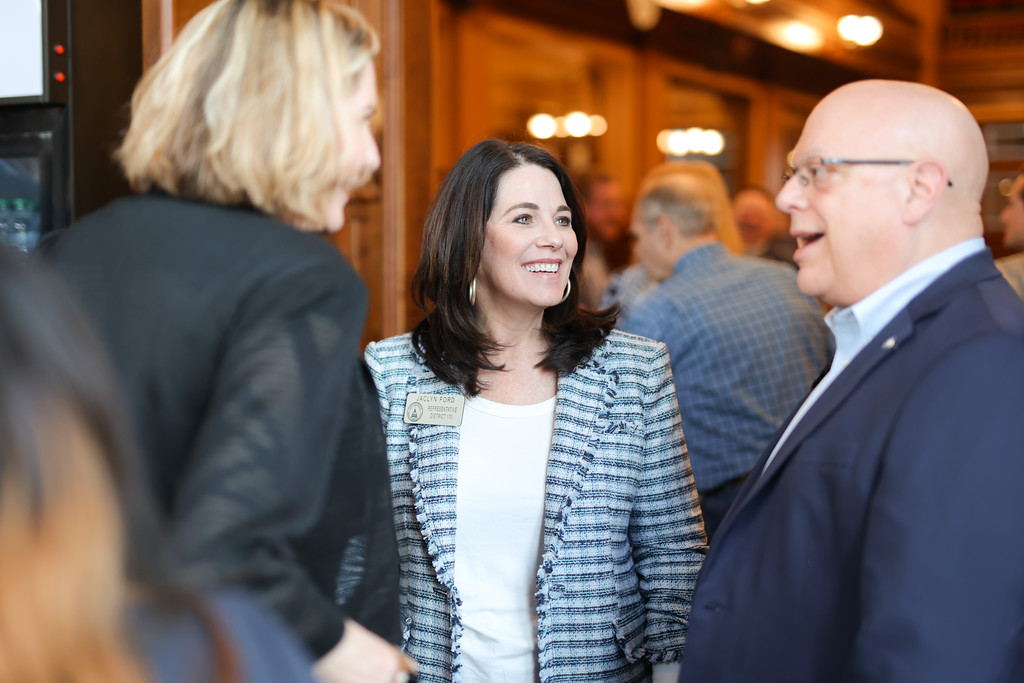
HB 1310 Passes!
I’m incredibly grateful we were able to get HB 1310 across the finish line in the final hour in the Senate, it truly came down to the wire. Huge thanks to my friends Senator Sam Watson and Senator Russ Goodman for getting the bill called when it mattered most. I also want to recognize Rep Steven Meeks, the Georgia Cotton Commission, and Georgia Agriculture Commissioner Tyler Harper’s office for their support in helping move this legislation forward for Georgia’s leading row crop.
HB 1310 officially designates cotton as the Official Fabric of Georgia, while also shining a light on the industry’s major economic impact across our state. It’s also a great opportunity to highlight the natural health benefits of wearing cotton compared to synthetic fibers. Now if we could just get our friends in D.C. to pass the Buy American Cotton Act, we’d really be in business!
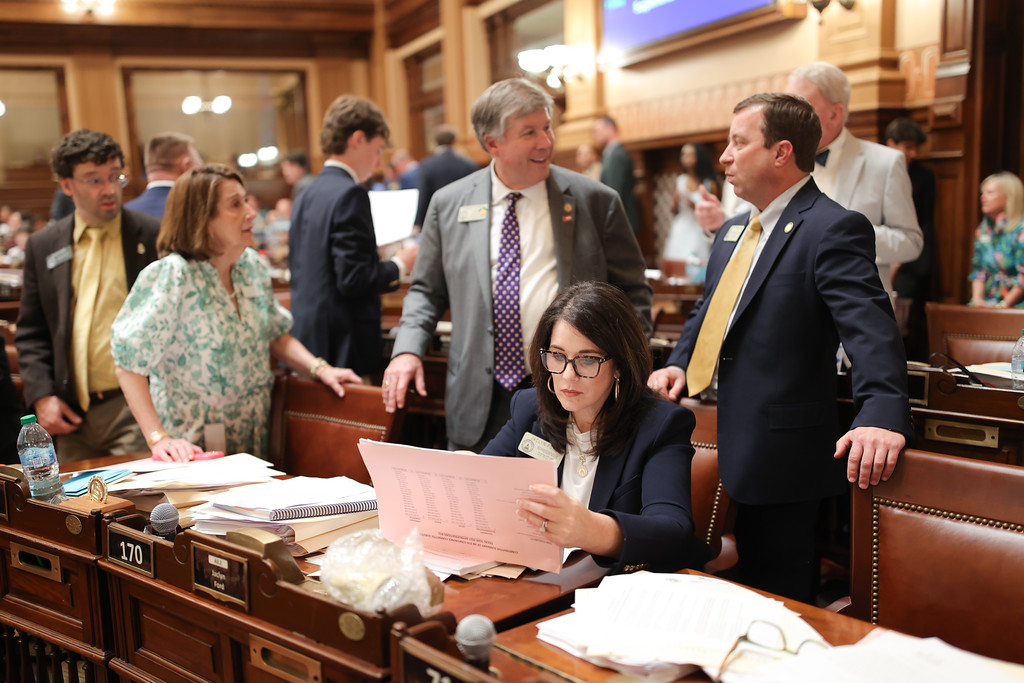
Summary of Legislation
HB 1193– House Bill 1193, the Georgia Early Literacy Act of 2026, a landmark measure aimed at promoting and advancing comprehensive early literacy and reading education aligned with the science of reading throughout the state. The bill, a priority of the Georgia House this session, would expand literacy infrastructure, funding and accountability for students in grades kindergarten through third.The Georgia Early Literacy Act of 2026 has now been sent to the governor’s desk for consideration and, if signed in to law, would build a comprehensive statewide framework to ensure all Georgia students develop strong reading skills from the earliest grades.
HB 1134– A major priority of the Georgia House this year was addressing insurance affordability. To that end, House Bill 1344 received final passage. Drafted based on the findings and recommendations of the House Blue-Ribbon Study Committee on Insurance Rates, HB 1344 would establish the Georgia Insurance Affordability and Claims Integrity Act to strengthen consumer protections, enhance transparency and accountability in insurance practices and help stabilize costs for policyholders. The bill would increase around 40 fines for insurance companies when laws or insurance policy provisions are violated during the claims process, enforce uninsured motorist laws, crack down on insurance fraud, including illegal “runner” activity, and improve storm claim processing. It would also enhance the Fortified Homes program to help Georgians protect their homes from storm damage, require local governments to report how premium tax revenue is used to lower citizens’ insurance premiums, limit premium tax refund requests to three years and restrict how insurance companies can use aerial imaging. Additionally, HB 1344 would ensure at least two years are allowed to file property and casualty.
SB 369, SB 589, SB 150– The House also gave final passage to several additional measures aimed at strengthening Georgia’s education system and supporting students, families and educators across the state. Senate Bill 369 would make comprehensive updates to nontraditional education and charter school policy by establishing clear accountability standards for programs like dropout and credit recovery, expanding access for virtual students and improving long-term planning and transparency. Senate Bill 589 would enhance early learning opportunities and student well-being by expanding access to Georgia’s voluntary pre-K program and requiring certain student ID badges to include information for the 9-8-8 Suicide and Crisis Lifeline. Additionally, Senate Bill 150 would bolster Georgia’s educator workforce by extending the state’s retired teacher reemployment program through 2030, helping experienced teachers return to high-need subject areas and keeping classrooms staffed.
SB 556– Senate Bill 556 also received final passage and would make several significant updates to Georgia’s higher education, student aid and campus safety policies. The bill would establish the Dedicating Resources to Educationally Advance More Students (DREAMS) Scholarship, a need- based financial aid program for eligible students attending postsecondary institutions in Georgia.
HB 463– House Bill 463 also received final passage and would deliver significant tax relief to Georgians by gradually reducing the state’s individual income tax rate from 4.99 percent to 3.99 percent over time. The bill would also increase the personal exemption for dependents from $4,000 to $6,000, raise the standard deduction from $24,000 to $36,000 for married couples and from $12,000 to $18,000 for single filters and increase the income exclusion for retirees aged 65 and older from $65,000 to $70,000 per eligible taxpayer.
SB 33– This session, the House also prioritized legislative solutions to help Georgia homeowners deal with increasing property taxes. In the late hours of Sine Die, we gave final passage to Senate Bill 33, which would provide property tax relief and seeks to improve transparency in how local tax dollars are managed. This legislation would create the Local Homestead Option Sales Tax (LHOST), a one-percent sales tax that local communities could choose to adopt, in order to offset reductions in homestead property taxes on primary residences.
SB 402– My colleagues and I took an important step during the final week of session to better serve children in Georgia’s foster care system with the unanimous passage of Senate Bill 402. SB 402 mirrors House Bill 943, which also received final passage and would establish similar measures to improve support, services and outcomes for children in foster care across the state. Statistics show that children in foster care are six to seven times more likely to be diagnosed with autism spectrum disorder than their peers, and too often, parents enter the child welfare system to seek resources when they do not know where to turn. To help remedy this, the legislation would establish a five-year pilot program, administered by the Division of Family and Children Services (DFCS) within the DHS, to provide screenings and clinical evaluations for autism spectrum disorder to children in foster care, while prioritizing those diagnosed with attention- deficit/hyperactivity disorder or reactive attachment disorder, or who have been prescribed psychotropic medication.
HB 256 – House Bill 256, would revise the Foster Parents Bill of Rights to be the Foster Placements Bill of Rights, which would apply to foster parents, relative caregivers and fictive kin. The bill would add new rights for foster placements, including the right to apply a reasonable and prudent parent standard when determining a child’s ability to participate in certain extracurricular activities; the right to request that a certified volunteer advocate be present at all meetings with the DHS when the foster placement is present; the right to be free from retaliation or discrimination based on a complaint or grievance with DFCS; and the right to seek and obtain independent legal counsel regarding the foster placement’s status.
HB 1283– We also gave final passage to House Bill 1283, the Family Justice Center Act. The measure would authorize the creation of Family Justice Centers—multiagency facilities that provide coordinated services to victims of family violence, sexual assault, child abuse, elder abuse, human trafficking and related crimes. These centers could be established by a county or municipal government, a district attorney’s office or a designated nonprofit, with governance structures based on whether they would be operated by a government entity or a nonprofit corporation.
SB 406– Senate Bill 406, or the Georgia Property Owners’ Bill of Rights Act, also received final passage this week to improve transparency and accountability for homeowner’ associations. Under the bill, associations would be required to register with the Georgia Secretary of State before collecting fines, fees or filing liens, including paying a $100 registration fee and filing a copy of their governing documents and registration statement.
SB 587– Senate Bill 587 also received final passage during the final week of session. The legislation would allow courts to issue orders to help locate the parents or guardians of alleged victims of child or elder abuse, as well as establish a statewide animal cruelty database managed by the Prosecuting Attorneys’ Council (PAC) of Georgia.
HB 1187– Recognizing the critical need to protect survivors of childhood sexual abuse, the General Assembly gave final passage to House Bill 1187, also known as Trey’s Law, to prohibit the enforcement of any nondisclosure agreements (NDAs) or confidentiality agreements that seek to silence victims of childhood sexual abuse. The bill would void NDAs in situations where these agreements would prevent someone from discussing an act of childhood sexual abuse. However, this legislation would still allow settlement amounts and other non-abuse-related terms to remain confidential in order to ensure that victim privacy is maintained.
HB 651– To culminate years of work in the House, my colleagues and I gave final passage to legislation to regulate the use of school zone cameras. Under House Bill 651, automated traffic enforcement safety devices would be exempt from regulation by the Department of Public Safety (DPS) and would instead be overseen by the Department of Transportation, including through the approval and issuance of permits for use of such devices by local governments. The devices would be required to include lights that flash yellow when authorized to issue citations.
HB 1161– House Bill 1161 received final passage, which would enhance road safety and clarify enforcement standards for drivers across Georgia. First, the bill would require drivers to move to the farthest right-hand side of the roadway when emergency vehicles are approaching in an official capacity, if it is safe to do so, similar to current law regarding passing emergency vehicles. Additionally, HB 1161 would establish a minimum penalty of 30 days in jail for every mile a driver eludes a DPS officer or vehicle, providing a consistent standard for sentencing and eliminating arbitrary maximum penalties under existing law.
HB 1138– House Bill 1138, the Increasing Access to Contraceptives Act, would expand access to contraception by allowing pharmacists to provide certain birth control options directly through pharmacies. Specifically, the bill would permit pharmacists to dispense self-administered hormonal contraceptives, such as the birth control pill or patch, and administer injectable hormonal contraceptives, like progesterone shots.
HB 350– To protect Georgia infants and support mothers in crisis, the General Assembly gave final passage to House Bill 350, legislation which would allow fire stations, medical facilities, police stations and ambulance services to implement newborn safety devices for use by mothers who need to safely surrender their newborns. Newborn safety devices, also known as “baby boxes,” are enclosed, locked and continuously monitored receptacles designed to allow for the safe surrender of a newborn at locations equipped to provide medical care, facilitate transport to a hospital and, ultimately, support placement into foster care or adoption. Under HB 350, these devices must be placed in a location that is visible to staff, and the facility or station must be staffed by emergency medical services providers around the clock.
HB 1118– The Georgia General Assembly also gave final passage to several additional bills during the final days of the legislative session, including House Bill 1118, which would provide eligible state employees with 120 hours of paid maternal birth leave to be used within the first three weeks following birth. HB 1118 reflects the House’s ongoing efforts to support working families by ensuring new mothers have meaningful time to recuperate following birth and care for their newborn.
HB 1284– To honor high school students facing a terminal medical condition and their families, we granted final passage to House Bill 1284, which would allow high school students who are receiving end-of-life care to be awarded their high school diploma. Following a written request from a parent or guardian, the State Board of Education could waive normal graduation credit requirements and grant the student a high school diploma in a timely, respectful manner.
HB 1230– House Bill 1230 also received final passage, which would strengthen security at Georgia’s correctional facilities by addressing the growing threat of unauthorized drone activity. As unmanned aircraft systems become more accessible, they have increasingly been used to surveil secure facilities and deliver contraband, such as weapons, drugs and cell phones.
HB 334– House Bill 334, also known as the Sickle Cell Disease Protection Act. This bill would require the Department of Community Health (DCH) to conduct an annual review of medications, treatments and services for sickle cell disease that are eligible for Medicaid coverage. The bill would also ensure that public input, particularly from those with lived experience, would be solicited and considered during each review.
HB 1112– Additionally, in response to the United States Mint officially stopping production of new circulating pennies due to high production costs—nearly four cents per coin—House Bill 1112, would implement rounding for cash transactions in the state, with prices rounded up or down to the nearest five cents.
HR 713– As a part of a long-standing priority of the House, we adopted two resolutions aimed at improving mental health across our state. House Resolution 713 encourages healthcare providers to help raise awareness of the 988 Suicide and Crisis Lifeline, a nationwide resource that connects individuals to mental health and suicide prevention support.
HR 1007– Additionally, House Resolution 1007 acknowledges the increasing prevalence of mental health challenges both nationally and in Georgia and highlights the effectiveness of arts-based health initiatives in improving mental health outcomes.
SB 542– This week, the House unanimously passed Senate Bill 542, legislation aimed at strengthening punishments for individuals who abuse positions of spiritual trust. Specifically, the bill would create the offenses of improper sexual conduct by a clergy member in both the first and second degrees. A clergy member—defined as a minister, priest, rabbi, imam or similar functionary of a bona fide religious organization—would be guilty of such offense if they knowingly engage in sexually explicit conduct or sexual contact with a victim through coercion or intimidation while acting within a pastoral counseling or spiritual authority relationship.
HB 1009– House Bill 1009 received final passage in the General Assembly this week and has been sent to Governor Brian Kemp’s desk for consideration. The legislation, which passed in the House earlier this session, would require that all public-school students in grades nine through 12 be prohibited from accessing personal electronic devices—such as smartphones, smartwatches, tablets, headphones and other communication or internet-enabled devices—during the school day, beginning no later than July 1, 2027.
SB 428– To prevent Georgians who are struggling with mental illness from becoming homeless, incarcerated or hospitalized, the House gave final passage to Senate Bill 428 this week with bipartisan support. This legislation seeks to address a critical gap for Georgians who are often overlooked—those with serious mental health needs who do not require institutional care but who are still struggling every day without consistent support. Many of these individuals cycle through hospital visits, emergency rooms, homelessness or even incarceration, not because help does not exist, but because the right level of care is not always accessible to meet their needs.
SR 622– We also passed legislation this week to begin the process of conducting an in-depth review of the costs of Georgia’s foster care system through the adoption of Senate Resolution 622, which would create the Joint Study Committee on Evaluating Escalating Costs in Georgia’s Foster Care System. The committee would consist of 20 members, including one member appointed by the governor who has represented the state in dependency proceedings within the last six months, six members of the Georgia State Senate, six members of the Georgia House of Representatives and officials from the Department of Human Services (DHS), the Department of Juvenile Justice and other related organizations.
SB 547– My colleagues and I also continued our efforts this week to combat human trafficking with the final passage of Senate Bill 547, legislation that would increase penalties for those who profit from exploitation. Under current state law, the first offenses of pimping or pandering are classified as high and aggravated misdemeanors.
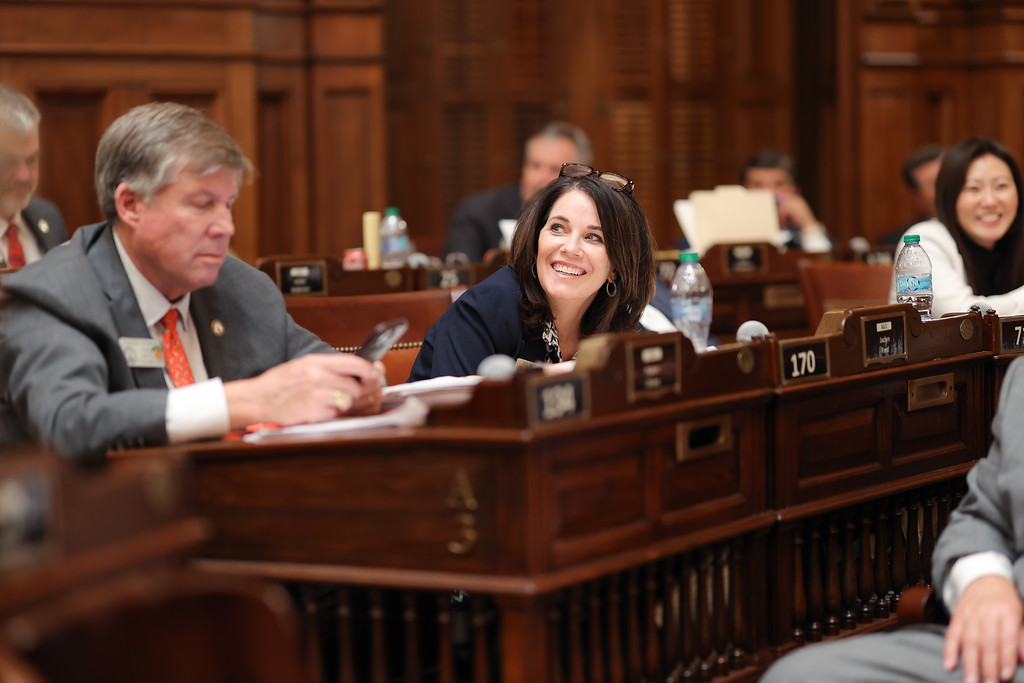
Friends and Constituents at the Capitol
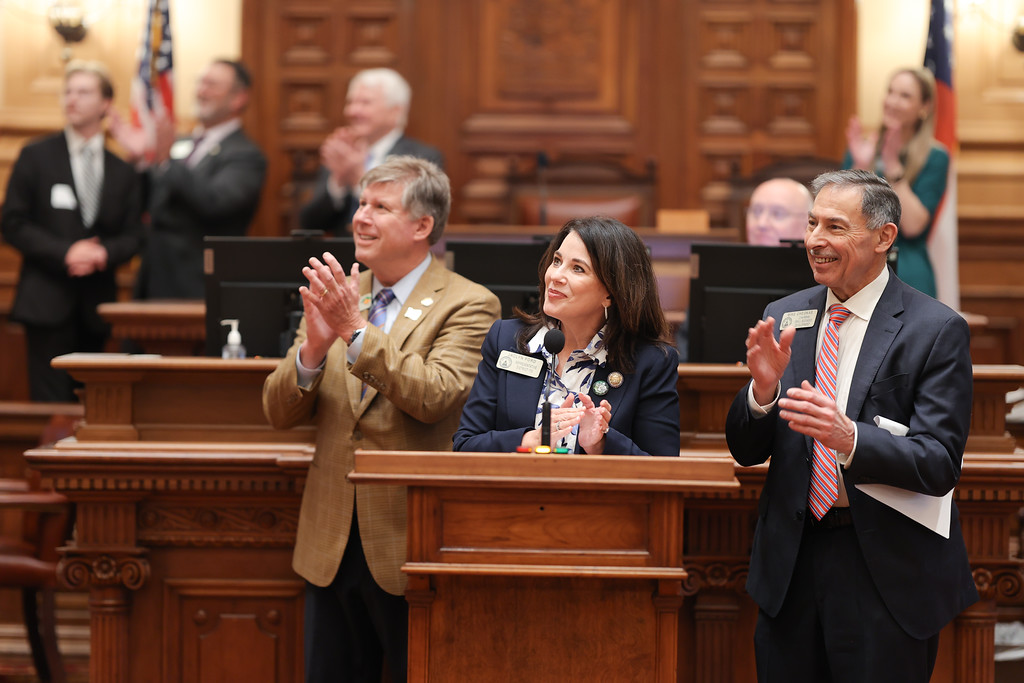
Welcoming Peanut Queens to the People’s House
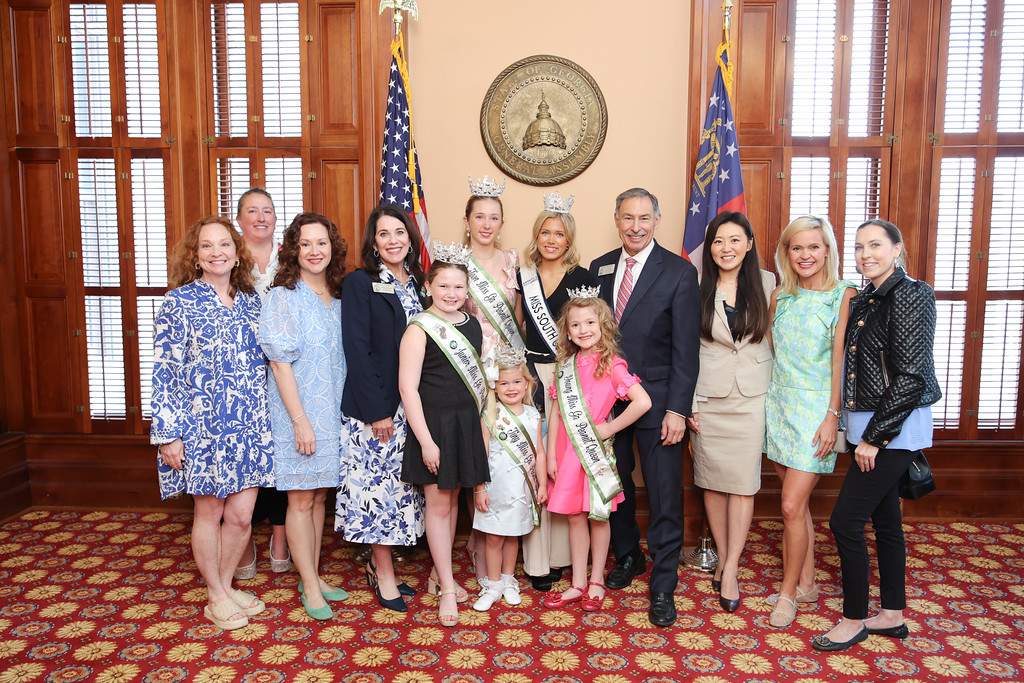
Peanut Queens
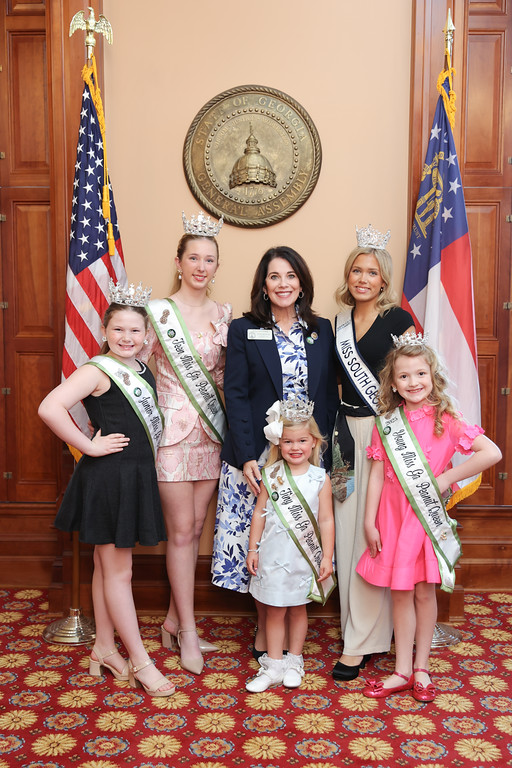
Proud to have the Peanut Queens at the Capitol.
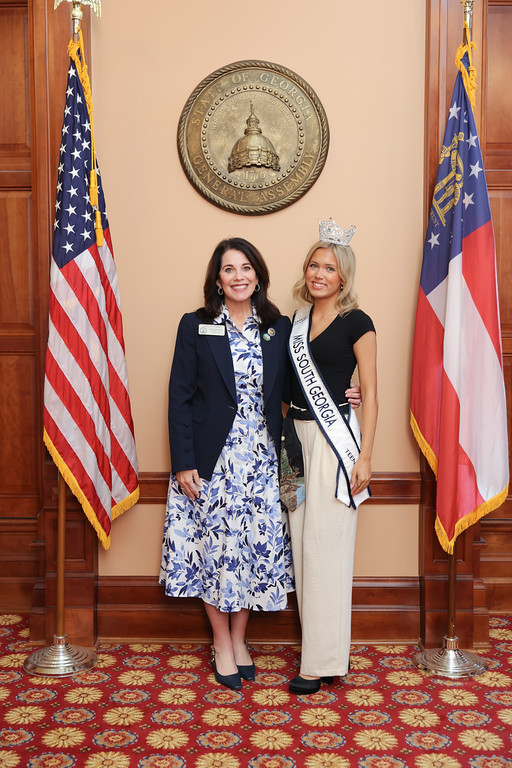
Great to have Miss Georgia South Dani Jones at the Capitol
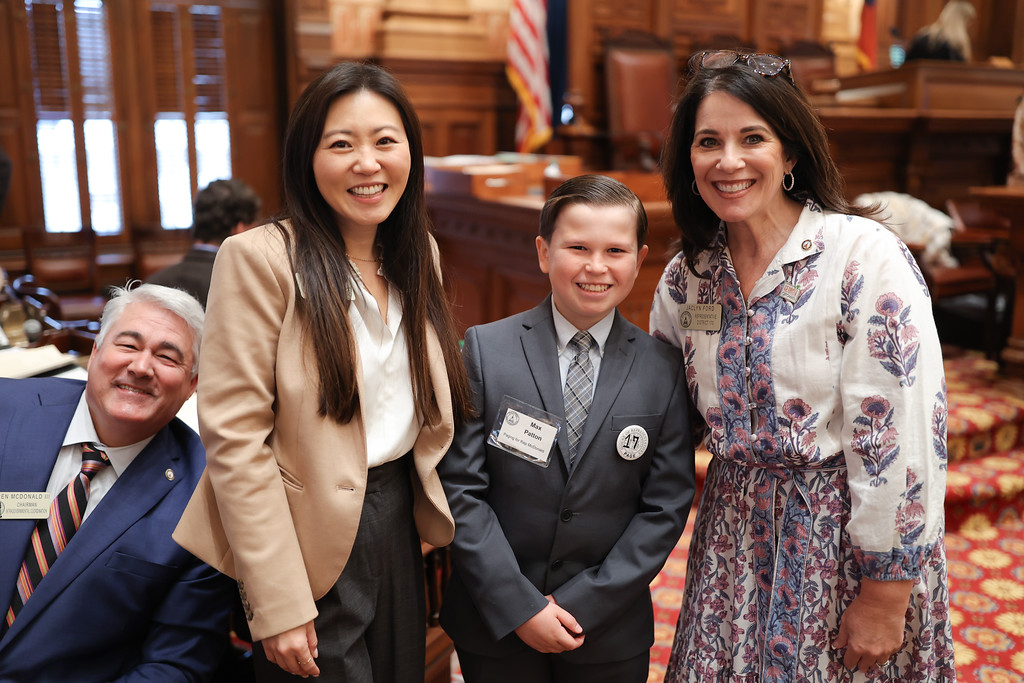
This young man, Max Patton, was Chairman McDonald’s page.
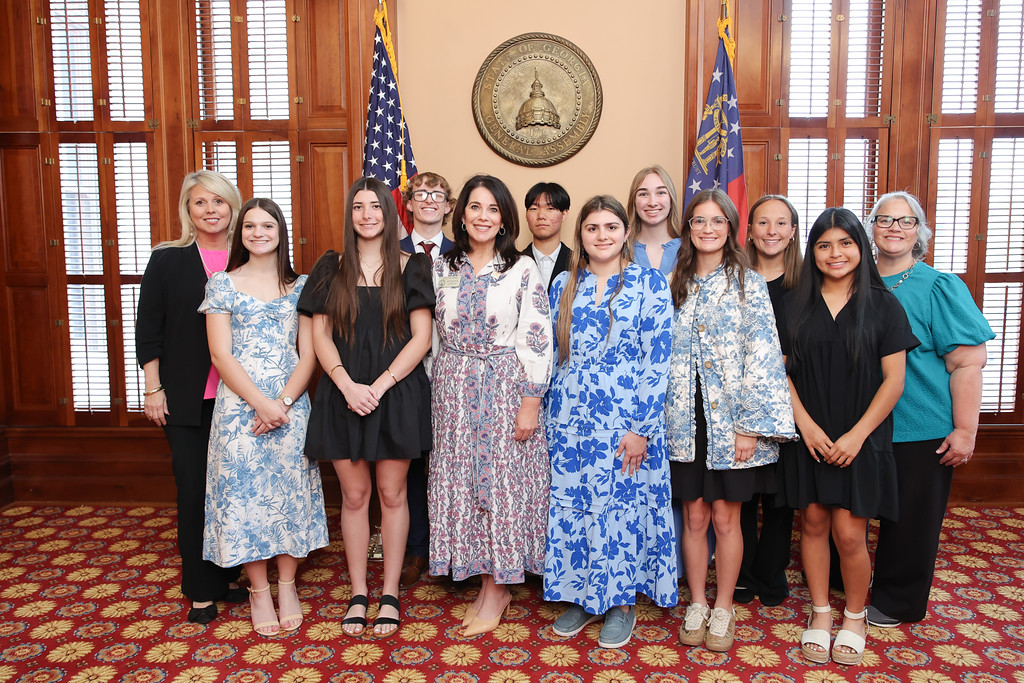
Berrien County Chamber Ambassadors visit the Capitol

Members of our Natural Resources committee. Honored to serve on the committee under Chairlady Lynn Smith, who is retiring this year.
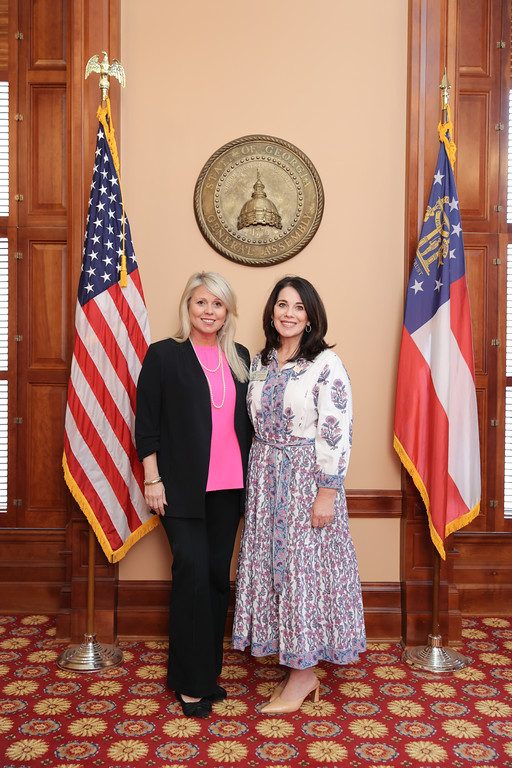
Berrien County High School Principal Margo Mathis

Speaker Pro-Tem Jan Jones is retiring this year. She broke the glass ceiling for women legislators in Georgia and worked tirelessly for children and education in our state. She will be missed!
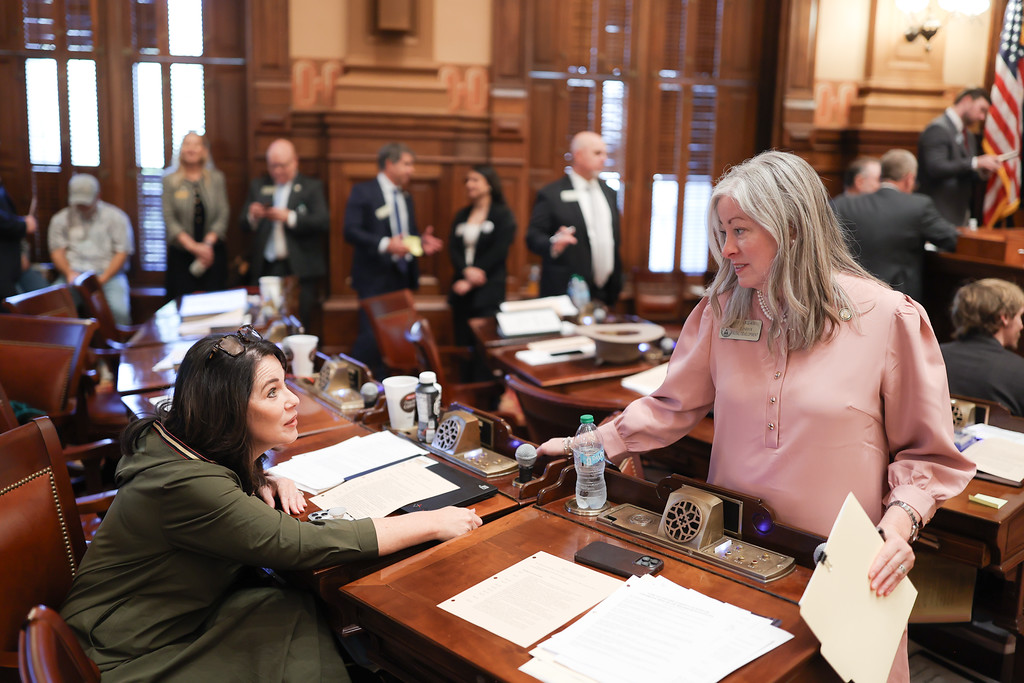
Talking with Rep Leesa Hagan
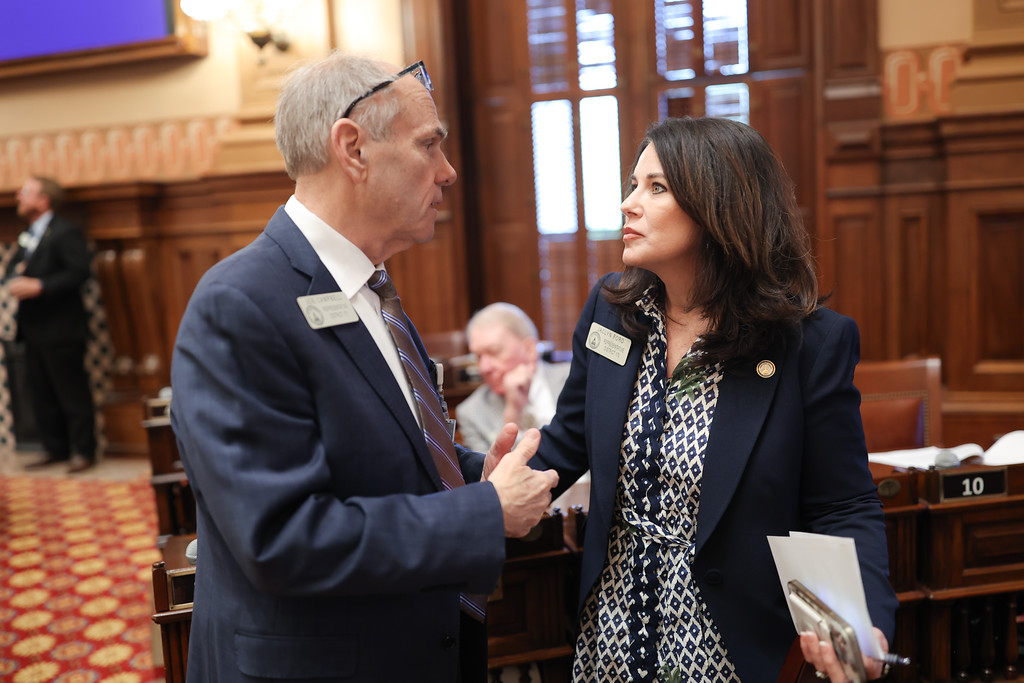
Discussing issues with Rep Joe Campbell

I was proud to have Mattie Hendrix from Tifton serve as my final page this legislative session.
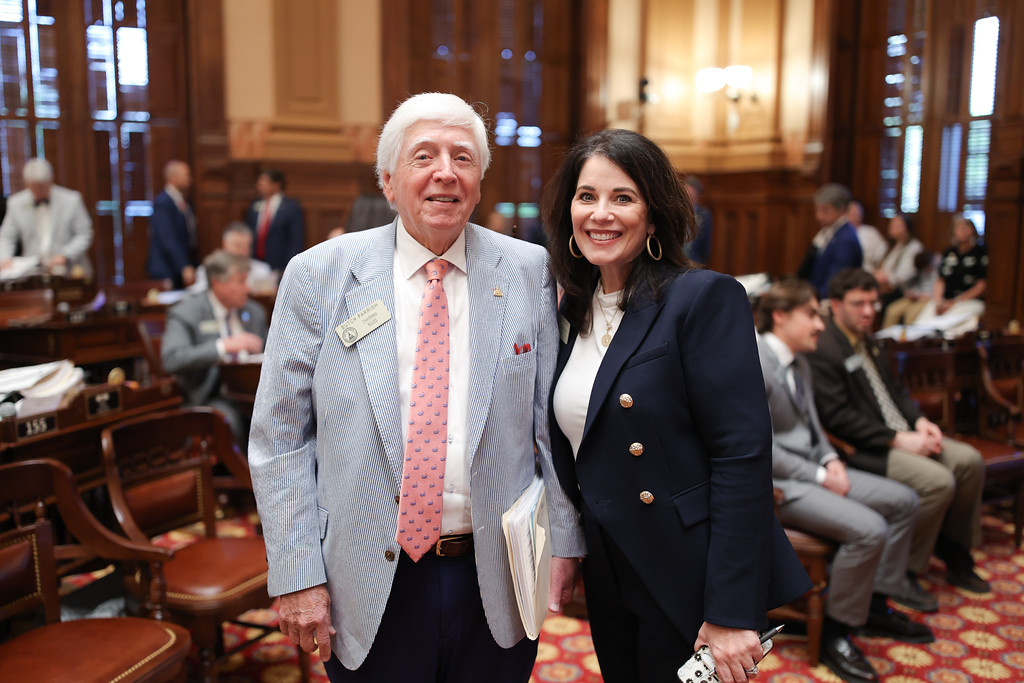
Rules Chairman Butch Parrish
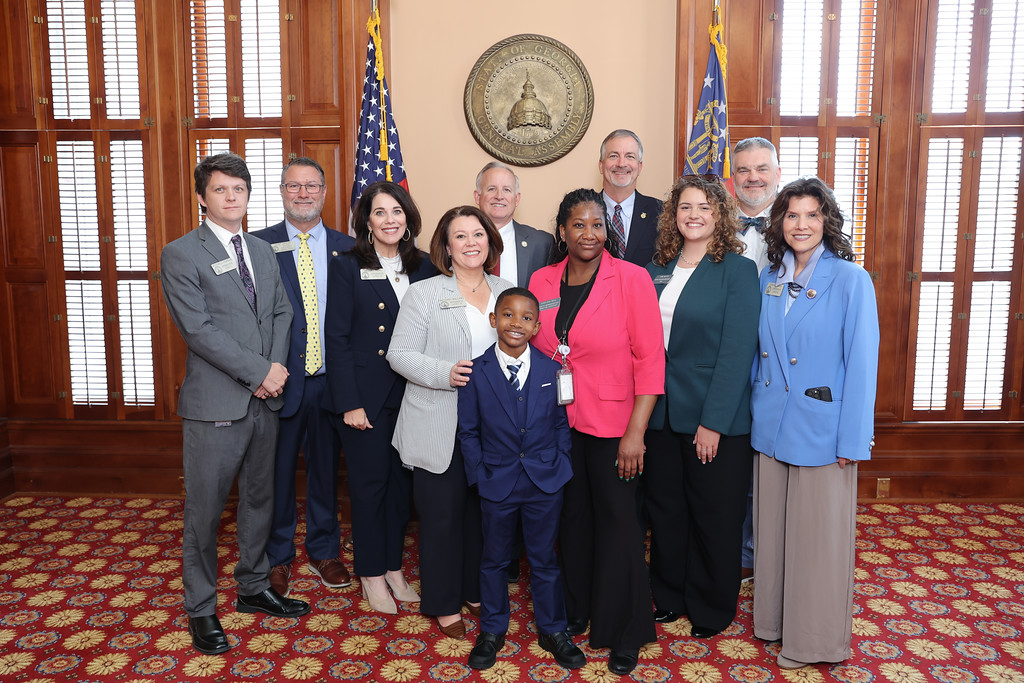
My CLOB 612 suite mates. I share an office with all these great people. Next year we will all be in a new building in different offices.

Great to have my son, J.Manry Ford, with me on Sine Die. We convened until 1:00 a.m.!
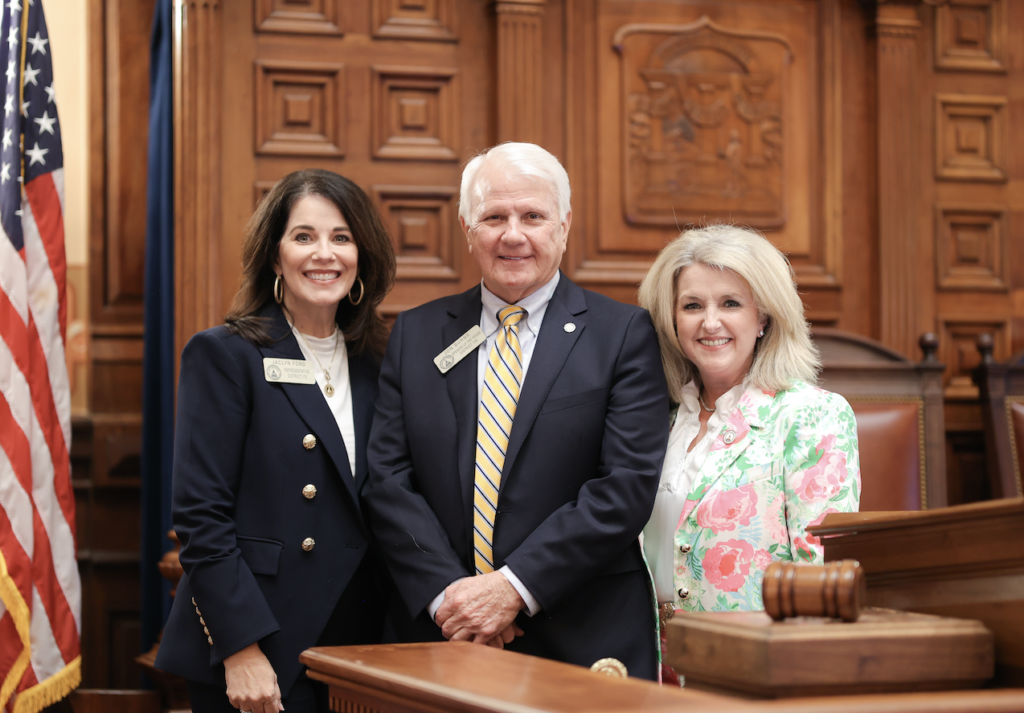
Rep. Angie O’Steen and I with Speaker Burns. I’m proud to serve Tift County with her.