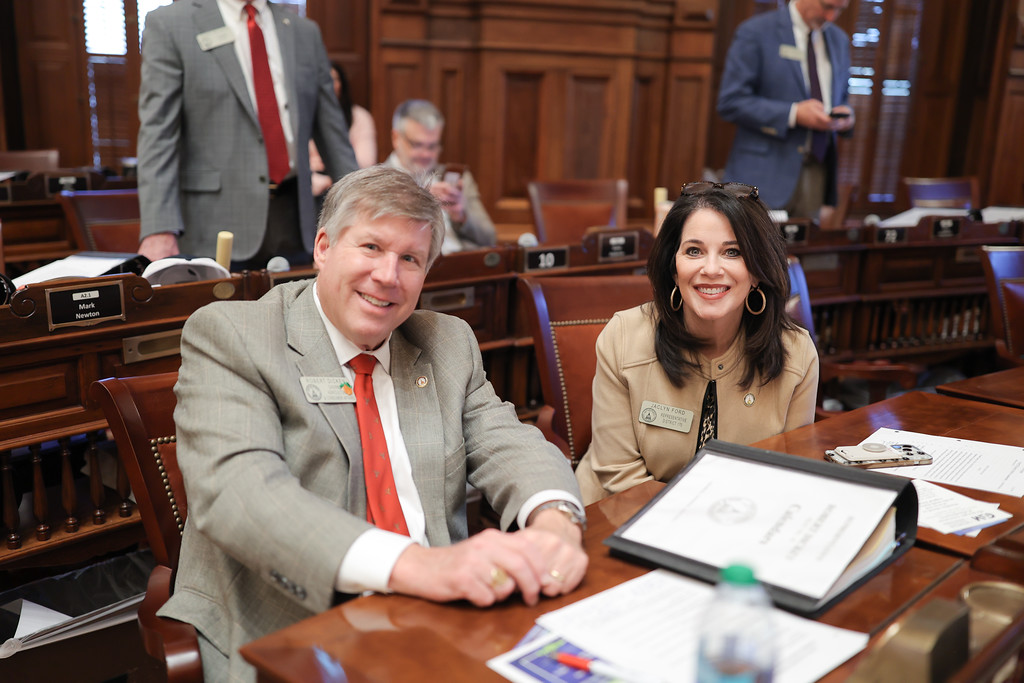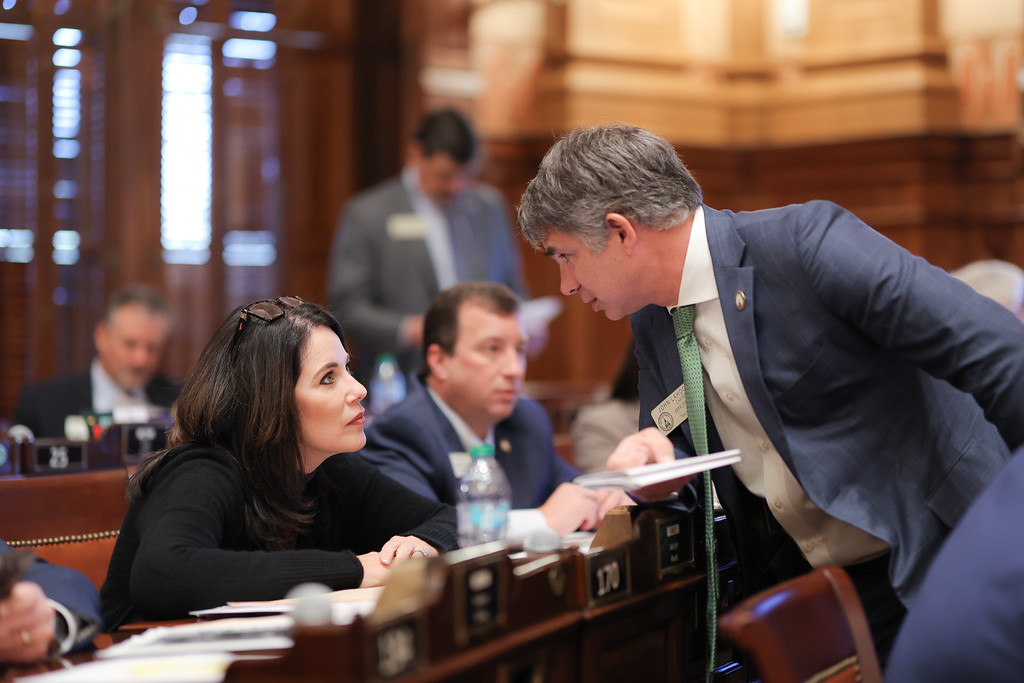
These past two weeks, the House has continued reviewing and considering legislation that crossed over from the Senate after Crossover Day. My House colleagues and I remained busy and engaged as we worked to advance legislation out of committees and on the House floor. By the end of the week, the Georgia General Assembly completed Legislative Day 35, leaving only five days left in the 2026 legislative session. Although the end of session is drawing near, some of our busiest session days are still ahead of us. We will continue working diligently in the days ahead to pass meaningful legislation for the citizens across our great state.
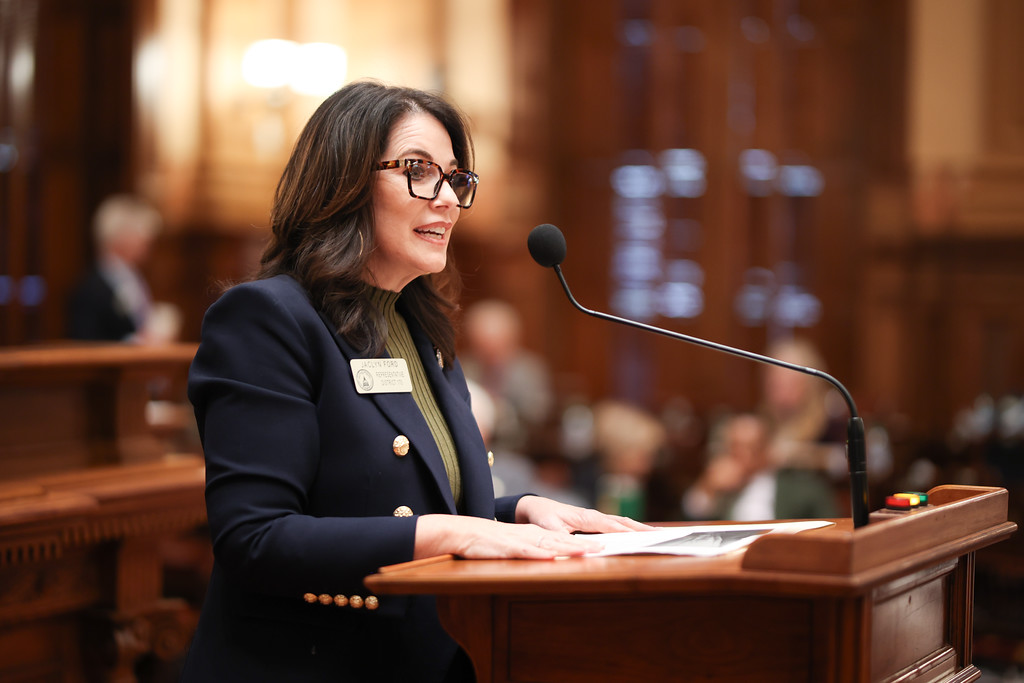
Rep. Jaclyn Ford Appointed by Speaker Burns to Serve on Agriculture & Rural Development Committee of CSG South
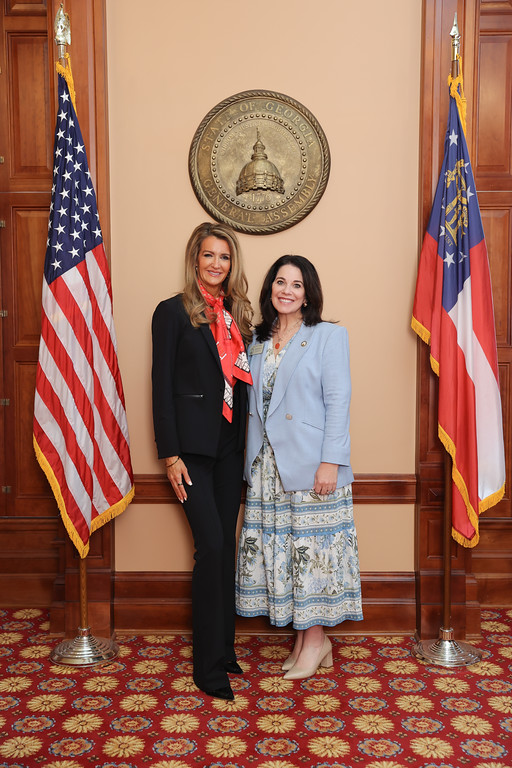
ATLANTA – State Representative Jaclyn Ford (R-Tifton) was recently appointed by House Speaker Jon Burns (R-Newington) to serve on the Agriculture & Rural Development Committee of the Council of State Governments Southern Office (CSG South) for a two-year term, ending December 31, 2027.
“I am so appreciative and honored that Speaker Burns has allowed me the opportunity to serve on this committee,” said Rep. Ford. “Growing up and working in agriculture, I am all too familiar with the state of our ag economy in Georgia. I understand what hurricanes, tariffs and low commodity prices mean to our rural economies, and I welcome the chance to collaborate with other representatives from around the South to come up with real solutions that might strengthen Georgia’s number one industry.”
Established in 1947, the Southern Office is a member-driven organization and the largest of the four regions operating under the Council of State Governments. The mission of CSG South is to promote and strengthen intergovernmental cooperation among 15 member states: Alabama, Arkansas, Florida, Georgia, Kentucky, Louisiana, Mississippi, Missouri, North Carolina, Oklahoma, South Carolina, Tennessee, Texas, Virginia and West Virginia.
CSG South annually hosts the Southern Legislative Conference (SLC), the largest regional gathering of legislative members and staff. SLC has an array of programs focusing on existing and emerging state government innovations and solutions, providing policymakers with opportunities to interact with policy experts and share their knowledge with colleagues.
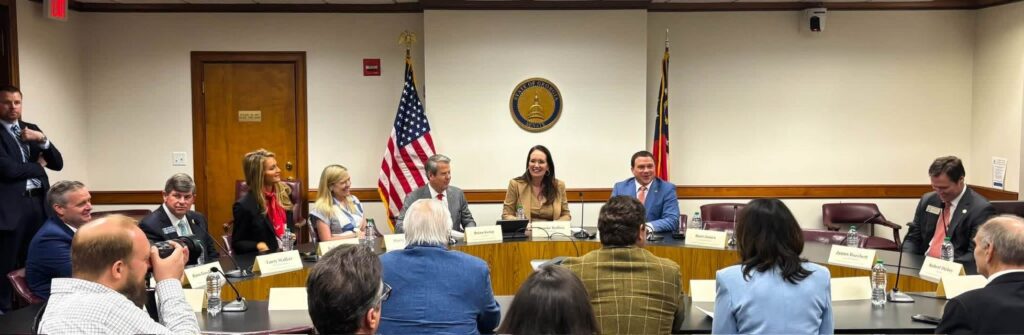
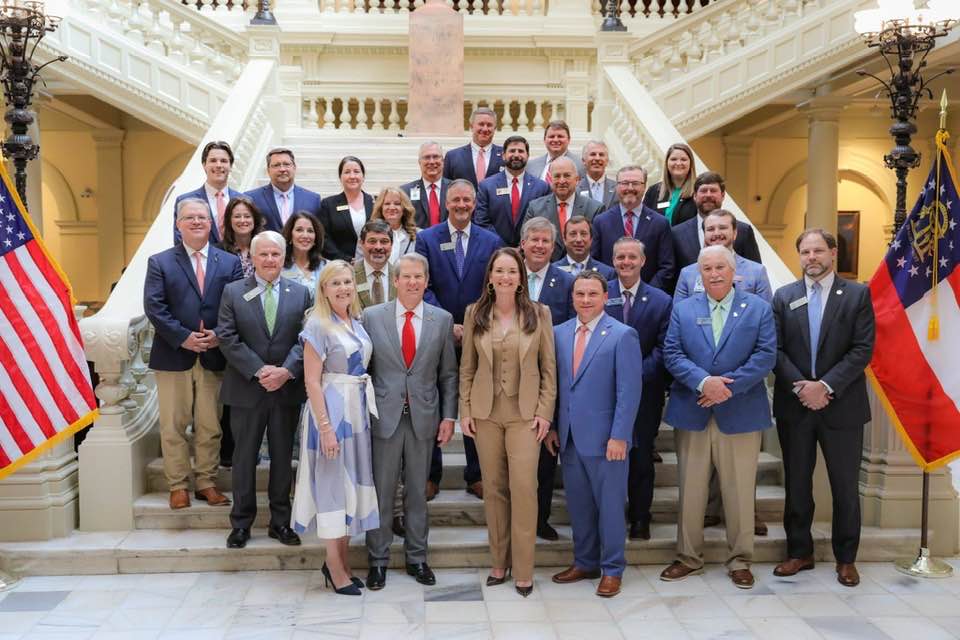
U.S. Secretary of Agriculture Brooke Rollins and SBA Administrator Kelly Loeffler visit Georgia Capitol
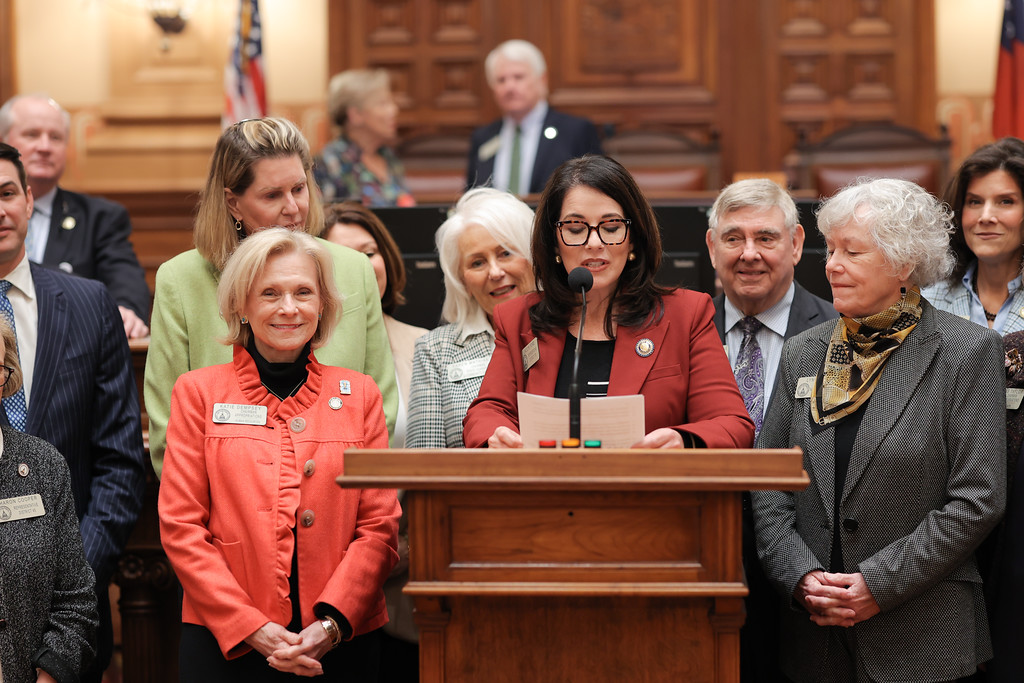
We were proud to have U.S. Secretary of Agriculture Brooke Rollins and SBA Administrator Kelly Loeffler at the Capitol to discuss the block grant and issues facing Georgia’s #1 industry.
The block grants will provide $531 million in federal disaster relief to help farmers, ranchers, and foresters recover from the devastating 2024 storm. Applications for the program will open March 16 and remain available for six weeks, closing April 27, and will be administered by the Georgia Department of Agriculture. The funding is designed to help address losses not fully covered by existing USDA programs and will support producers who experienced damage to commodities and infrastructure. Prior to the press conference, I was proud to join Secretary Rollins, Governor Kemp, Commissioner Harper, federal and state officials, and other members of the General Assembly for a roundtable discussion with agricultural leaders and stakeholders.
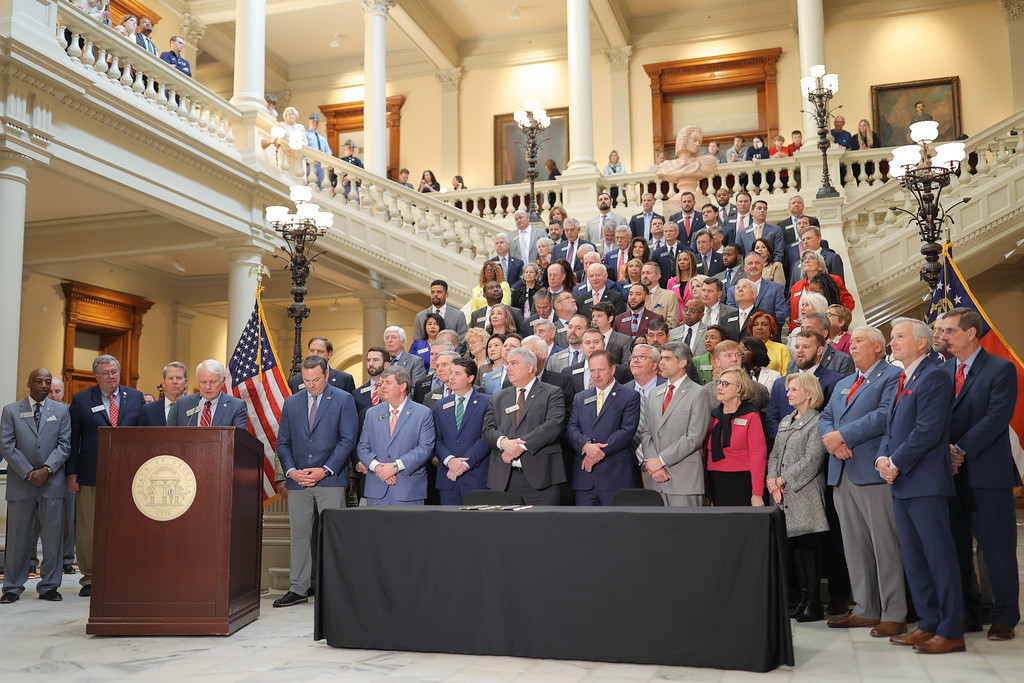
Georgia Gas Tax Suspended
One of the most notable measures that the House championed this week was House Bill 1199, which, most importantly, will temporarily suspend Georgia’s excise tax on motor fuel for 60 days. This suspension comes at a critical time as Georgians have faced sharp increases in gas prices amid ongoing conflicts in the Middle East, placing added financial strain on families and businesses across the state. Prices at the pump will begin to reflect this change in the coming days as retailers receive new shipments of motor fuel. Georgia’s excise tax on gasoline is currently 33.3 cents per gallon and 37.3 cents per gallon of diesel.
Legislation Updates:
HB 1000 – To further provide much-needed tax relief to Georgians, the Senate gave final passage to House Bill 1000 this week, which Gov. Kemp also signed in to law on Friday. The bill provides a one-time income tax refund to eligible Georgians who filed individual income tax returns for both the 2024 and 2025 tax years by the applicable deadlines. Once a taxpayer files their 2025 return, the Georgia Department of Revenue will issue a refund equal to the lesser of the taxpayer’s 2024 Georgia income tax liability or a set amount based on filing status: $250 for single filers or married individuals filing separately, $375 for heads of household and $500 for married couples filing jointly.
SB 427 – Amid ongoing shortages of healthcare providers in rural and underserved areas of Georgia, and as part of the House’s continued focus through its work over the summer in the House Study Committee on Improving Access to Internal Medicine in Underserved Areas, we passed Senate Bill 427 this week. The bill would create a structured pathway for certain internationally trained physicians to practice in Georgia under a limited provisional license. Under SB 427, an internationally trained physician—someone who earned a medical degree or its equivalent from a school outside the United States—would be eligible to receive a provisional license issued by the Georgia Composite Medical Board.
SB 383 – The House is committed to safeguarding Georgia’s most vulnerable children and preventing avoidable tragedies, and as such, we overwhelmingly gave final passage to Senate Bill 383. Under this legislation, local child fatality review committees would be charged with examining child deaths to identify opportunities for intervention and recommend measures to prevent similar tragedies. These review committees, which currently operate in every Georgia county, are responsible for determining the manner and cause of death and if the death was preventable, as well as reporting their findings to the Georgia Bureau of Investigation’s Georgia Fatality Review Panel.
SB 523 – The House unanimously passed Senate Bill 523 to strengthen protections against acts of discrimination in Georgia’s public education system. Under SB 523, complaints of discrimination or harassment based on race, ethnicity, national origin or religion involving students, teachers or employees would be addressed through a standardized reporting and appeals process. For Georgia’s K-12 school systems, the bill would require the Georgia Department of Education to designate a statewide Title VI coordinator who would be responsible for monitoring discrimination and harassment complaints in public schools.
SB 399 – This week, the House also passed a life-saving measure to ensure every Georgian has rapid access to medical care with the unanimous final passage of Senate Bill 399, the Mason Sells AED Coordination Act. This legislation aims to expand access to automated external defibrillators (AEDs) and provide emergency call centers with both AED location information and high-quality telephone cardiopulmonary resuscitation (T-CPR) guidance for Georgians experiencing sudden cardiac arrest. Under SB 399, all emergency communications officers would be required to be trained in T-CPR and instructed on how to guide 9-1-1 callers in using AEDs. The bill would also create a comprehensive map of all AED locations, which would be made available to 9-1-1 operators.
HB 571 – As we continue our efforts to expand Georgia’s healthcare workforce, the House gave final passage to House Bill 571, which would place the licensing and regulation of radiologist assistants under the Georgia Composite Medical Board. Under this legislation, the board would establish a specialized framework for the licensure and continuing education of radiologist assistants and would have the authority to set requirements specific to radiologist assistants, including determining the number of continuing education hours required on a biennial basis, the subject areas in which those hours must be earned and which courses would be approved.
HB 185 – The House also gave final passage to House Bill 185, which would allow for a comprehensive modernization of Georgia’s dietetics and nutrition framework, while also expanding pathways for qualified nutrition therapists to become licensed in the state. Specifically, the legislation would narrow licensure requirements for those practicing medical nutrition therapy, which is designed to treat chronic conditions.
SB 570 – Building on the House’s efforts to combat human trafficking across our state, my colleagues and I passed Senate Bill 570, also known as the Georgia Human Trafficking Prevention Training Act, with bipartisan support on Thursday. SB 570 would require hotels and third-party managed short-term rental properties’ employees to complete annual training on identifying and reporting suspected human trafficking, with the initial training required within 60 days of hire and renewed each year.
SB 452 – Senate Bill 452 also received final passage in the House this week and builds on a priority highlighted by Gov. Kemp in his annual State of the State Address to strengthen retirement security for Georgia’s public safety workforce. The legislation would increase employer contributions to qualifying 401(k) accounts for Georgia’s law enforcement officers, helping ensure that those who dedicate their careers to protecting others would be supported well beyond their years of active service.
SB 470 – The House took decisive action to protect Georgians from experiencing interrupted communication with public safety agencies during emergencies by passing Senate Bill 470, also known as the Emergency & Public Safety Signal Protection Act. This legislation would prohibit the possession, operation and distribution of signal jammers that intend to interfere with the transmission of a communication signal over any wireless communication system, such as a phone, radio, radar system or station. Because these devices can block or degrade signals used by law enforcement, firefighters and emergency medical personnel, they pose a serious threat to public safety.
SB 170 – The House gave final passage to Senate Bill 170, a necessary measure to strengthen the resilience of Georgia’s healthcare infrastructure. SB 170 would create a grant program to acquire and install backup generators for affected rural hospitals, which are acute care hospitals located in rural counties with fewer than 100 beds and located in any region where the governor declared a state of emergency after July 1, 2024.
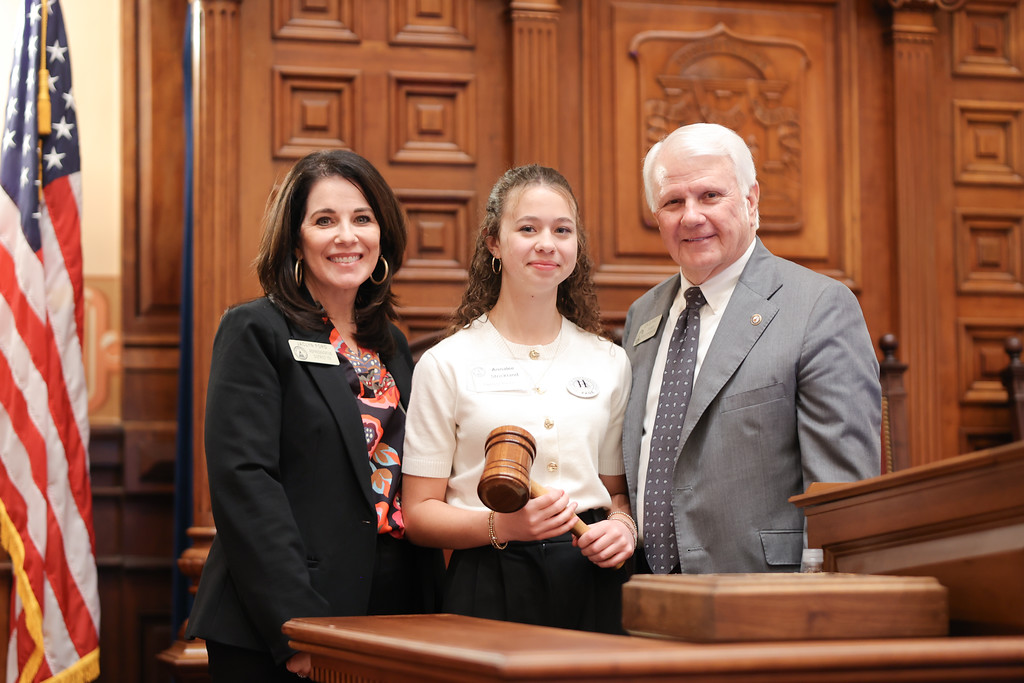
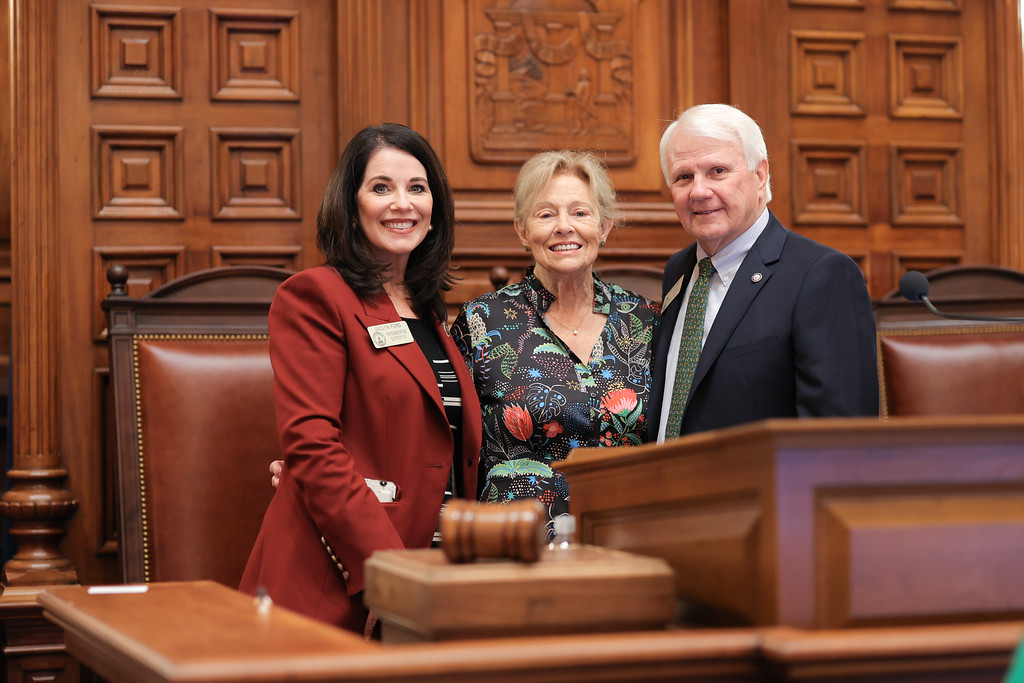
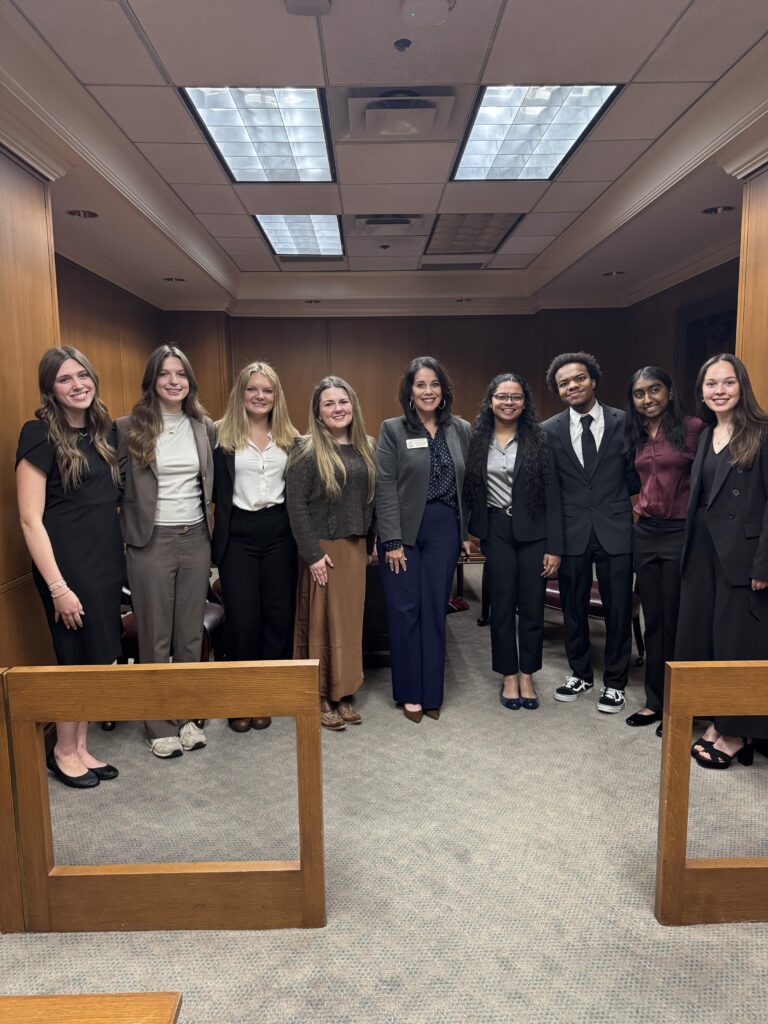
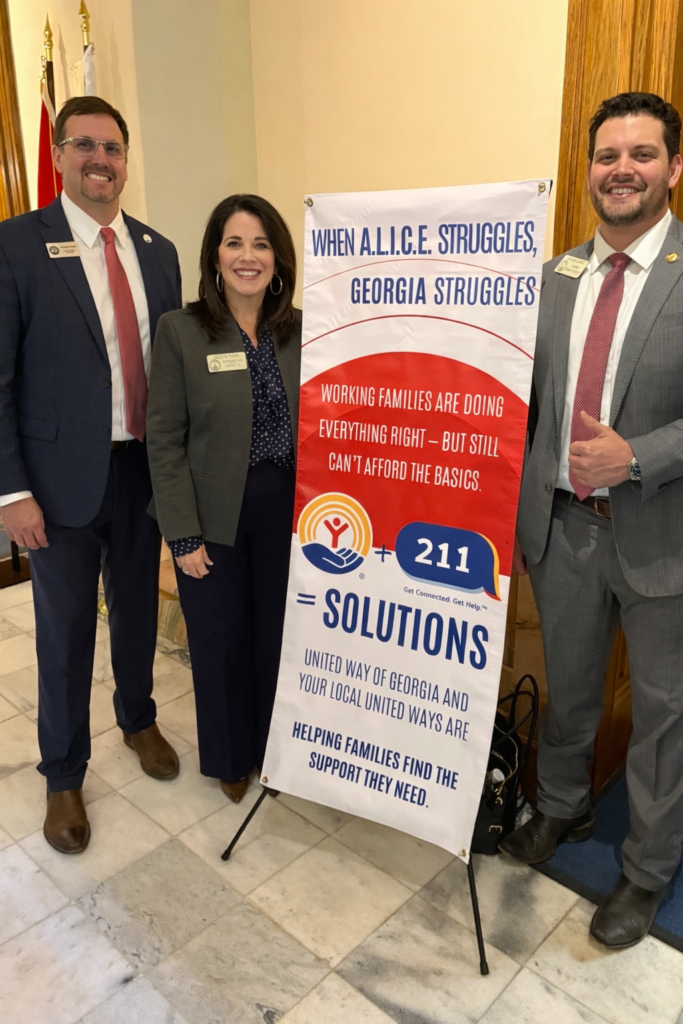
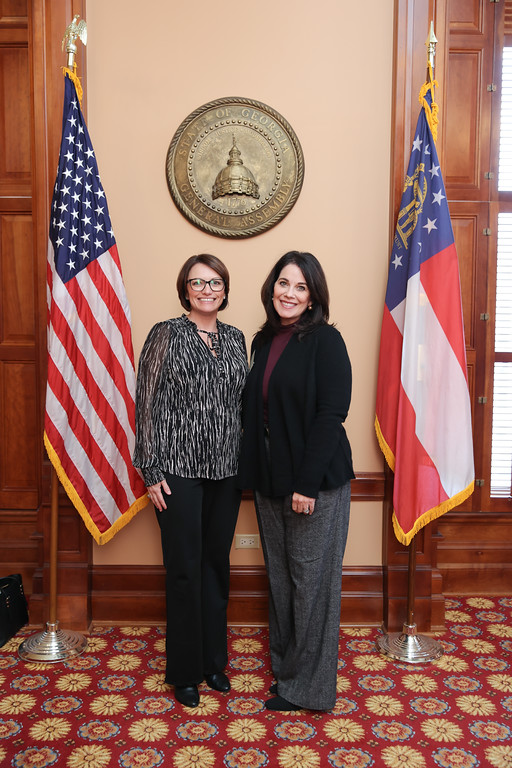
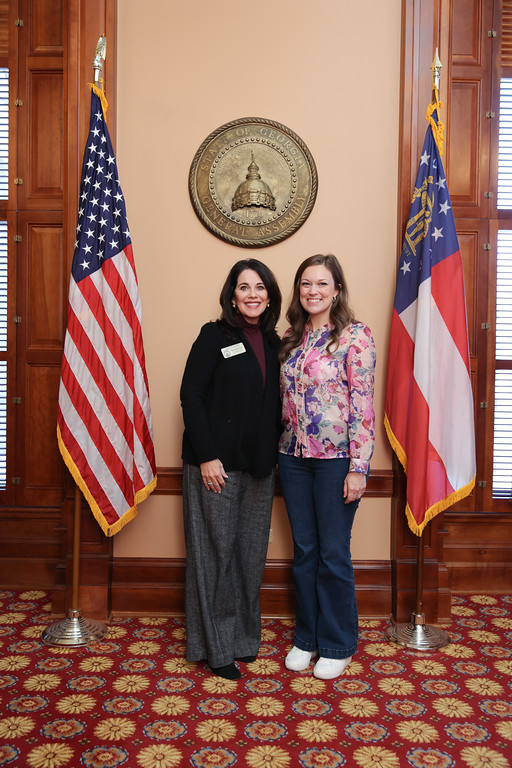
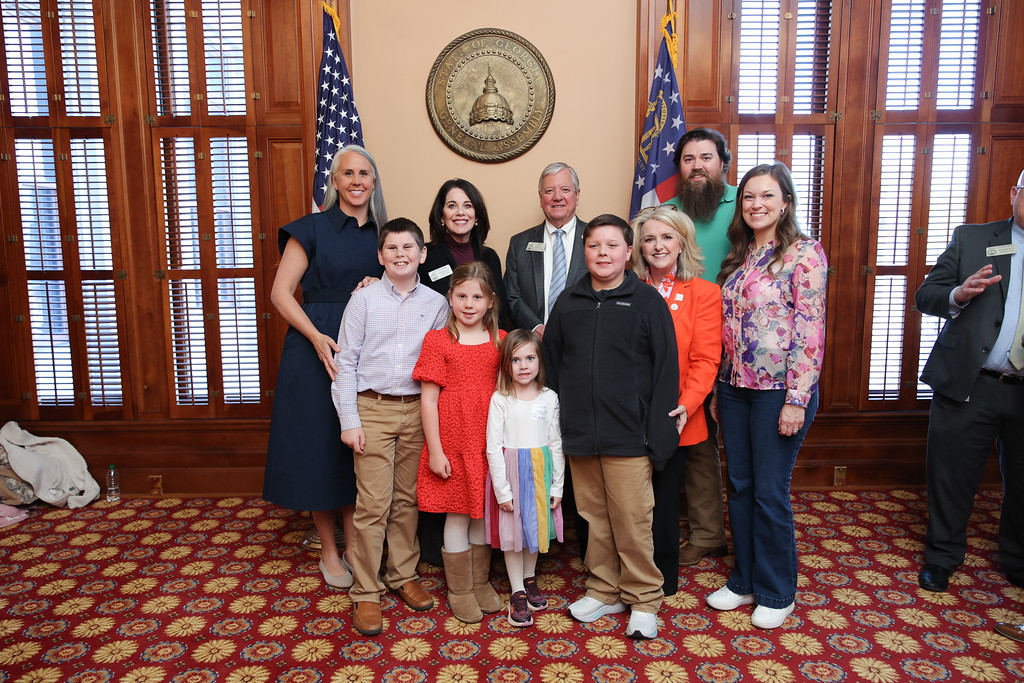
Friends and Constituents at the Capitol