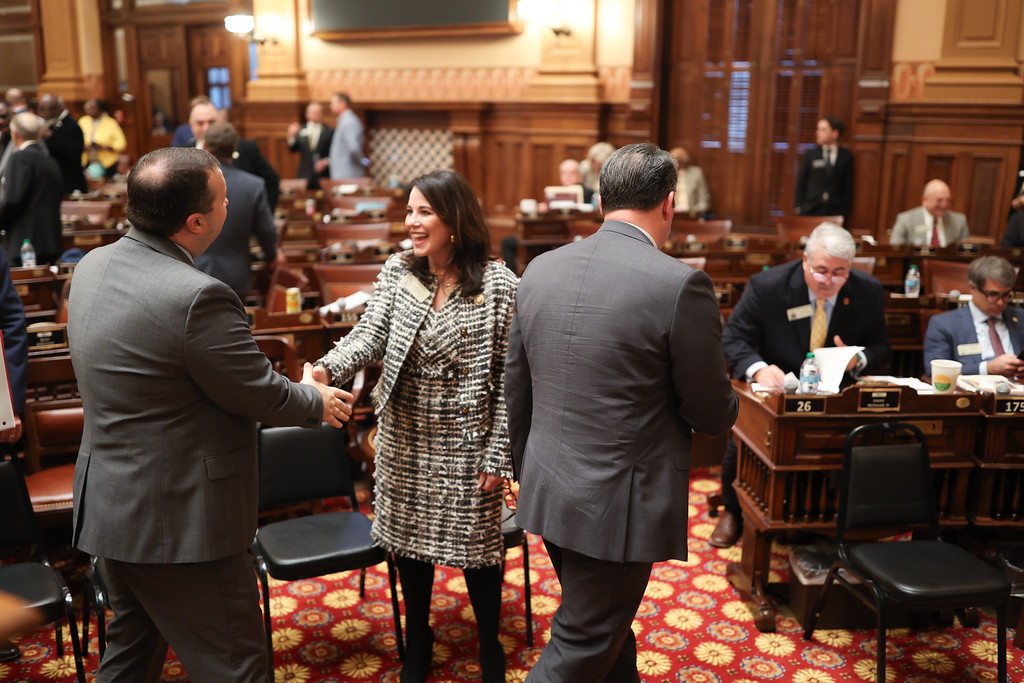
The last several weeks under the Gold Dome felt like the session really got into full swing. After the opening formalities, committees jumped into busy schedules, hearing from agencies and stakeholders. We also passed the state budget, carefully reviewing funding needs to make sure taxpayer dollars are spent wisely. It’s been a busy and productive stretch, and I’m grateful for the opportunity to be your voice as the real work of the session gets underway.

FY26 Amended Budget
Last week, the FY26 Amended Budget was passed by the House. The Senate will now review the budget and provide its recommendations. Per Georgia’s constitution, it must pass a balanced budget each year, so this will be of priority to get done in the next few weeks.
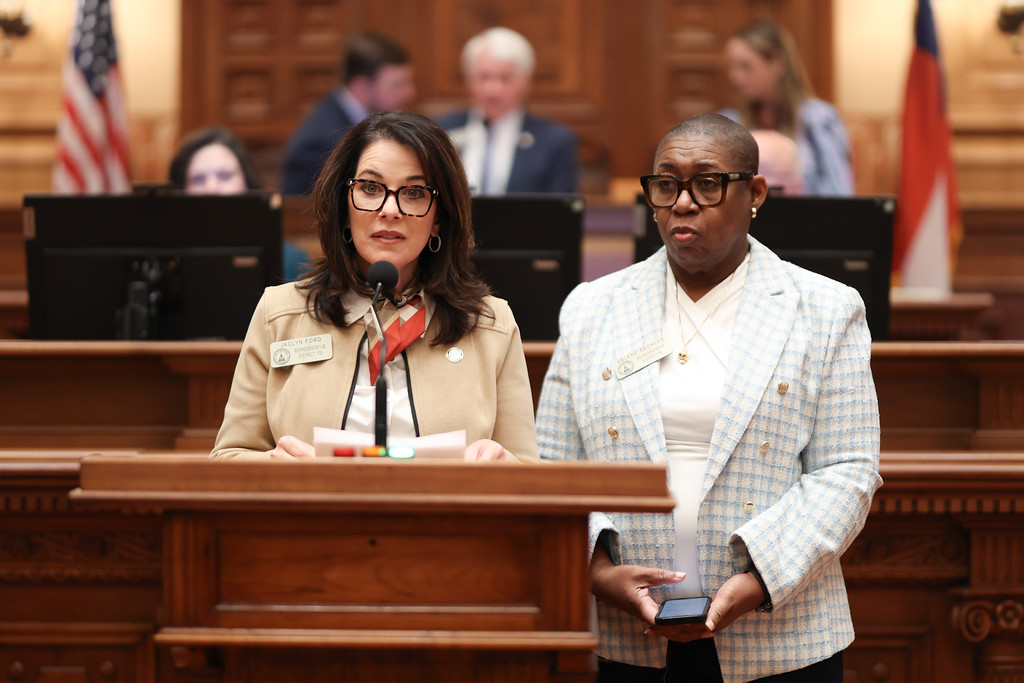
Morning Order- Remembering the Life of the late Mayor Waymond Smith of Alapaha.
Mayor Smith passed away on January 15, 2026 and had served Alapaha as Mayor since 2005. His family shared that he was a dedicated community-oriented man who loved the city of Alapaha. Our thoughts and prayers are with his family, friends and the city of Alapaha.
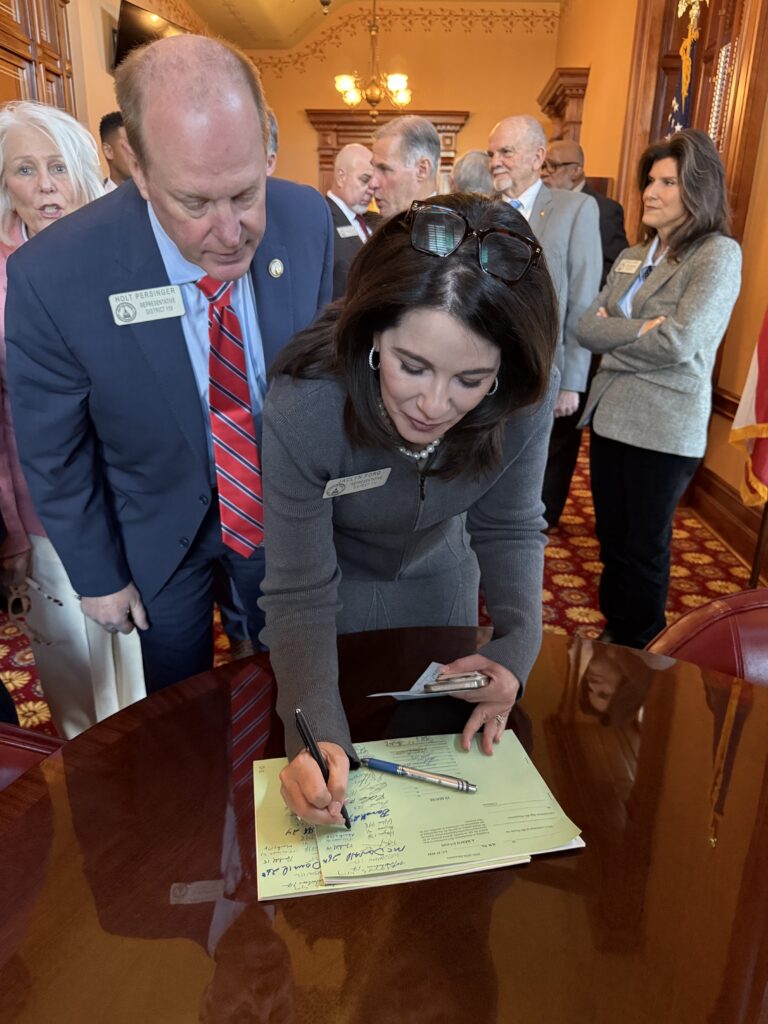
Property Tax Bill
I was excited to sign onto the property tax bill.
House Bill 1116 (also known as the HOME Act) spells-out the substance of the property tax-relief plan. It would:
- Phase out property taxes on primary residences by 2032, eventually eliminating them for homeowners.
- Increase the statewide homestead exemption in stages before that full elimination.
- Provide tools for local governments to offset revenue losses, such as optional local sales taxes and assessments.
- Cap revenue growth on properties that aren’t homesteaded, offering some protections for other taxpayers
Georgia Families First Initiative
See below for some of the important work being done this session to support Georgia families.
Affordability for Families
1. HB 1123 – Expand Pre-K Afterschool Services to help working families (Speaker Pro Tempore Jones)
Require public schools that offer Pre-K AND also offer after-school care services to grades K-5 students to make after-school services available to Pre-K students on the same basis.
- Out of the 117 school systems that offer Pre-K as well as after-school care, 27 systems do not allow Pre-K-aged students to utilize after-school care (23%).
2. Expand Summer Transition Program (STP) to support our youngest rising Pre-K learners – $2 Million GA Lottery Appropriation
- Add 25 classes to the 5-week summer program targeted to children who will attend Pre-K in the upcoming school year. This helps prepare at-risk and special needs students for success in Pre-K and assists working families in the summer.
3. Expand childcare assistance to low-income and priority eligible families to encourage work
- Fully fund before-, after-, and holiday-care for low-income and priority eligible Georgia Pre-K students- Substitute existing $9.7 million federal funds with $9.7 million GA lottery funds
- Increase the number of children (with working parents) covered by the childcare subsidy for low- income and priority eligible children – Utilize $9.7 million federal funds
Healthy Mothers and Children
4. HB 1118 – Create Additional Maternal Birth Leave for state employees (Rep. Donatucci)
Enact legislation to give state employee birth mothers an additional three weeks of leave to recuperate after giving birth to a child.
- This would increase the total paid leave for birth mothers from 6 weeks to 9 weeks (2024 parental leave legislation increased leave from 3 weeks to 6 weeks)
5. HB 1138 – Increase Women’s Access to Birth Control (Rep. Camp)
Allow pharmacists to prescribe hormonal birth control to women to expand access and the number of providers, including in rural areas with limited providers. Allow women to purchase 12 months of hormonal birth control at a time to increase availability and access.
- For context, 36 states currently allow pharmacists to prescribe hormonal birth control. The FDA approved an over-the-counter birth control pill in 2024. Pharmacists will be able to prescribe birth control pills, contraceptive patches, vaginal rings, and injectable contraceptives. The Georgia Composite Medical Board and Georgia Board of Pharmacy will determine training, education, and protocols.
6. Expand the Department of Public Health (DPH) Home Visiting Nurse Program to expectant and new birth mothers from 75 counties to 154 counties- $8.9 Million FY27 Budget Appropriation
The governor’s budget includes an additional $2 million to expand the maternal home visiting program from 75 to 96 counties. The House will further increase appropriation by $6.9 million and the number of counties to a total of 154 counties. Further expansion to the remaining five metro counties may be considered in the future (Fulton, Gwinnett, DeKalb, Cobb, Clayton).
- The DPH Home Visiting Program provides no-cost services delivered by public health nurses and trained staff to expectant and birth mothers from pregnancy through the first year of the child’s life to assist mothers and their newborns.
- The program prioritizes women with high-risk conditions or factors that increase the likelihood of poor pregnancy outcomes.
Women and Family Safety
7. HB 1142 – Domestic Violence Offender Registry (Rep. Hagan and Rep. Hong)
Enact legislation to create a registry of persistent domestic violence offenders and require the Georgia Bureau of Investigation (GBI) to establish and maintain the registry.
House Literacy Initiative
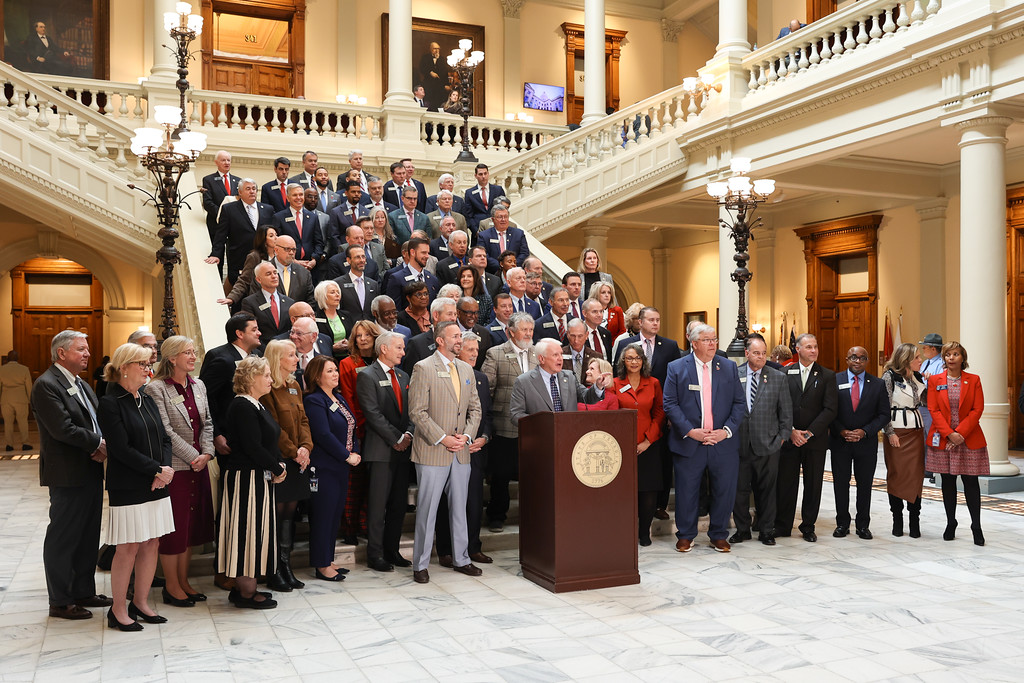
The 2026 Georgia House literacy initiative, led by Speaker Jon Burns, focuses on improving K-12.The bill would take a statewide approach to early literacy, providing QBE funding for school-based literacy coaches in every public school serving kindergarten through third grade, supported by regional and leadership coaches. HB 1193 would also provide free, curriculum-based professional learning for K–3 teachers and literacy coaches, ensure high-quality instructional materials aligned with the science of reading and establish the Georgia Literacy Task Force to guide assessments and instruction. Recognizing that learning to read is the foundation for all future learning, this legislation reflects the House’s ongoing commitment to providing every resource necessary to make literacy a top priority.

Georgia Agribusiness Council Annual Meeting and Legislative Breakfast
I have the honor of serving on the Board for the Georgia Agribusiness Council, an organization that works to strengthen and promote one of our state’s most important industries. This past week, we welcomed many members of the agriculture industry from every corner of Georgia to Atlanta for the Council’s Annual Meeting and Legislative Breakfast.
The events provided a valuable opportunity for members of the agriculture community to come together, share ideas, and discuss the challenges and opportunities facing our industry. I was proud to visit with so many dedicated individuals who work hard to keep Georgia agriculture thriving, and I look forward to continuing to advocate for policies that support our farmers, rural communities and agribusiness partners in the year ahead.
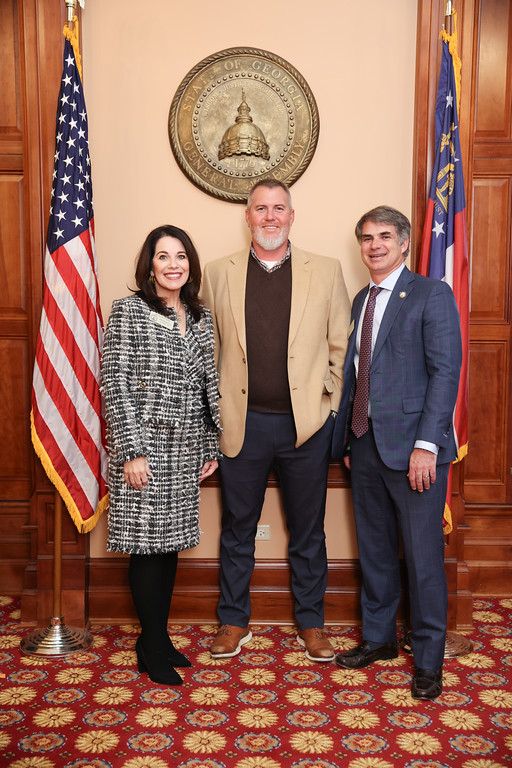
Agribusiness Council Members Buck Blalock, Chip Blalock, Donna Stewart, and Kiley Henderson visited the House Chamber where Donna was recognized as the new Chair of Georgia Agribusiness Council and the first female to ever serve in that role. Congratulations, Donna!

Georgia Aerospace & Defense Day at the Capitol
The Georgia Aerospace & Defense Alliance (GADA) hosted Georgia Aerospace & Defense Day at the Capitol on Tuesday, bringing together industry leaders, educators, workforce partners, and state officials to showcase the sector’s vital contributions to Georgia’s economy and national security.
The event included a ceremonial check presentation to Gov. Brian Kemp recognizing the industry’s $57.5 billion annual economic impact in the state, as well as an interactive F-35 cockpit simulator demonstration featuring the Governor and a test pilot. The demonstration highlighted Georgia’s key role in the production of the world’s most advanced fighter jet and the state’s leadership in aerospace innovation and manufacturing.
Committee Work Updates
Agriculture & Consumer Affairs
The Georgia House Agriculture & Consumer Affairs Committee held two recent meetings to address a range of important issues facing the state’s agricultural community. In the first meeting, members discussed ongoing efforts to combat avian influenza and invasive species, along with updates on the USDA block grant and Georgia’s hemp program. Commissioner Tyler Harper outlined the department’s operational needs, requesting additional funding for inspection system upgrades, vehicles, and a new food safety lab. He also pointed to a 33 percent increase in regulated entities over the past three years, which has placed a growing workload on department staff.
During a separate meeting, the committee turned its attention to food insecurity and hemp regulation. Members heard an update from Georgia’s food banks about the rising demand for assistance across the state, followed by a hearing on Senate Bill 33 (SB33), which addresses oversight and safety standards for hemp products.
Natural Resources & Environment
The Georgia House Natural Resources & Environment Committee met to hear from the Georgia Forestry Commission about its ongoing work to protect, manage, and restore our state’s forests. Commissioner Johnny Sabbo shared insight into the agency’s mission, vision, and core values, stressing the importance of relying on sound data to guide decisions, particularly as Georgia faces challenges such as mill closures and ongoing wildfire risks.
The Committee also met to discuss and approve two House Bills, followed by a presentation from the Georgia Department of Natural Resources (DNR). House Bill 956 provides the Environmental Protection Division (EPD) with more flexibility in using the Solid Waste Trust Fund for critical waste management, while House Bill 983 clarifies and protects prescribed burning for forest health and wildfire prevention. The DNR’s presentation highlighted its extensive work, including managing state parks, promoting outdoor accessibility, and successful programs for oyster farming, red snapper season extension, venison donation, and feral hog control.
Rural Development
The Georgia House Rural Development Committee met to consider House Bill 659, an important step toward improving access to eye care in rural communities. This bill has passed the House and moved to the Senate. The legislation would expand optometry loan repayment programs and support the development of an in-state optometry school, helping attract more providers to underserved areas. The committee also heard from Dr. Samantha Brown Parks with HHS, who shared updates on efforts to make healthcare more affordable and accessible across rural Georgia, including new investments in rural health transformation and ongoing work to bring greater oversight to pharmacy benefit managers.
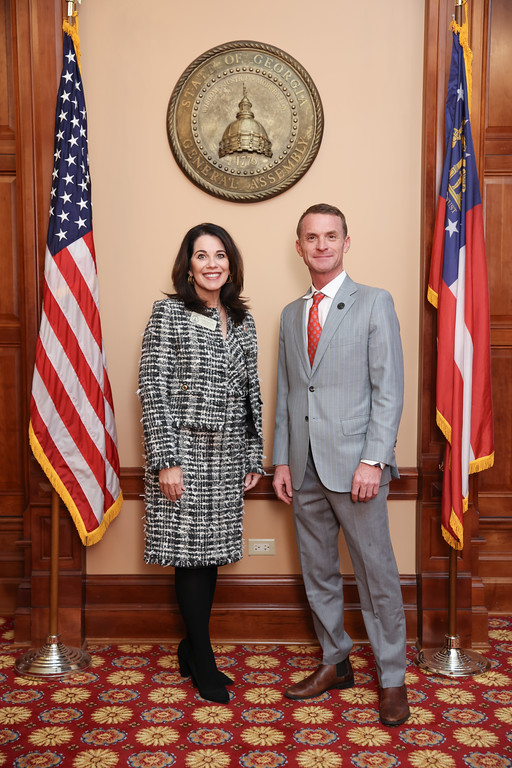
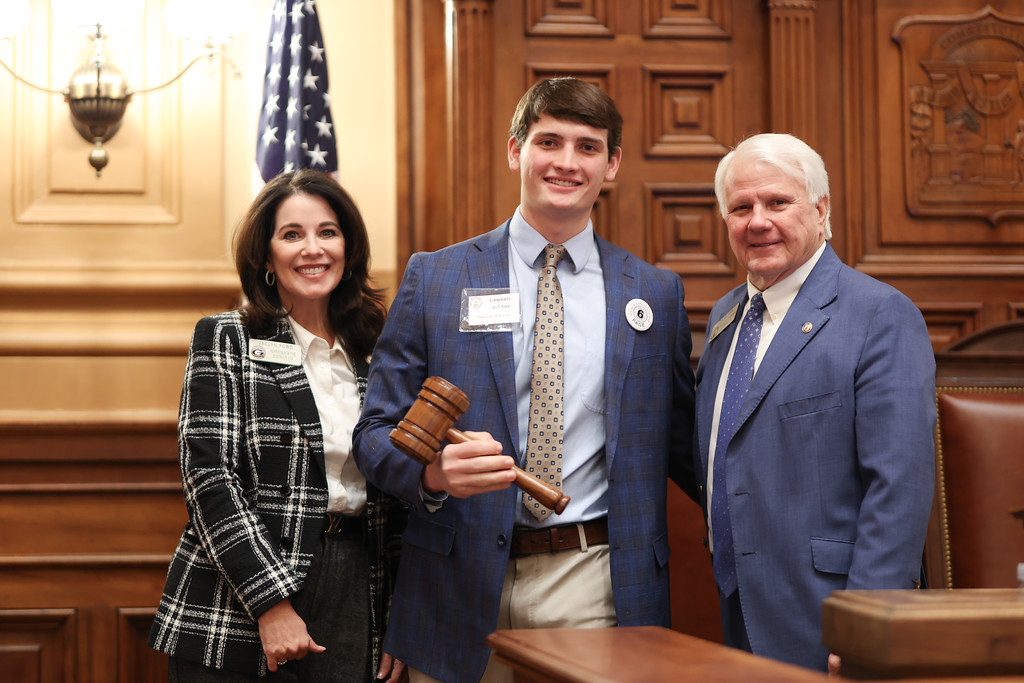
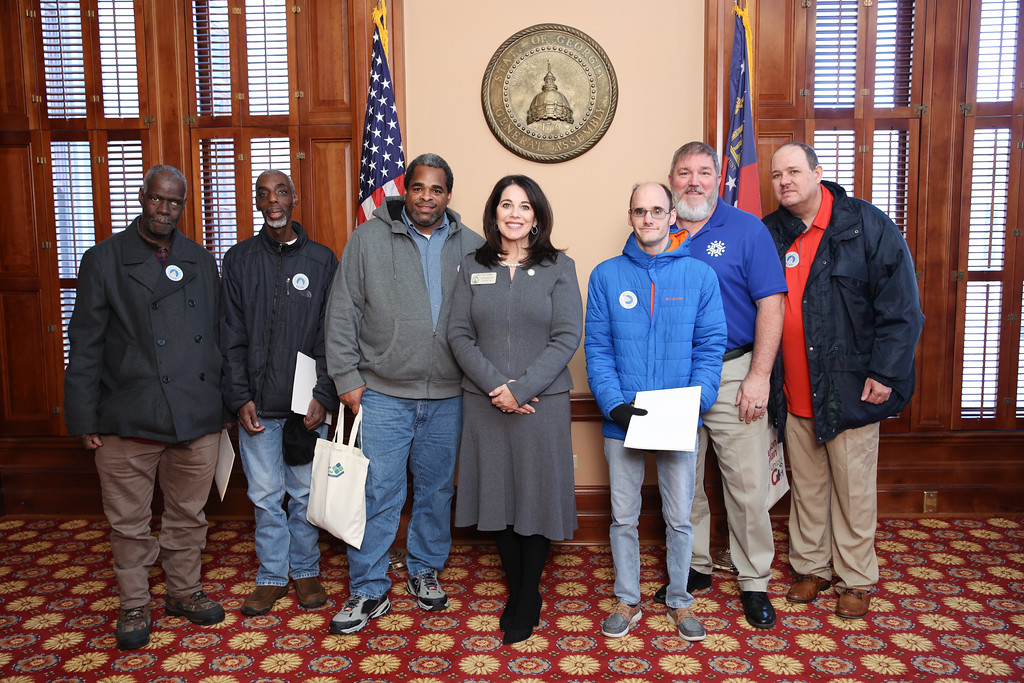
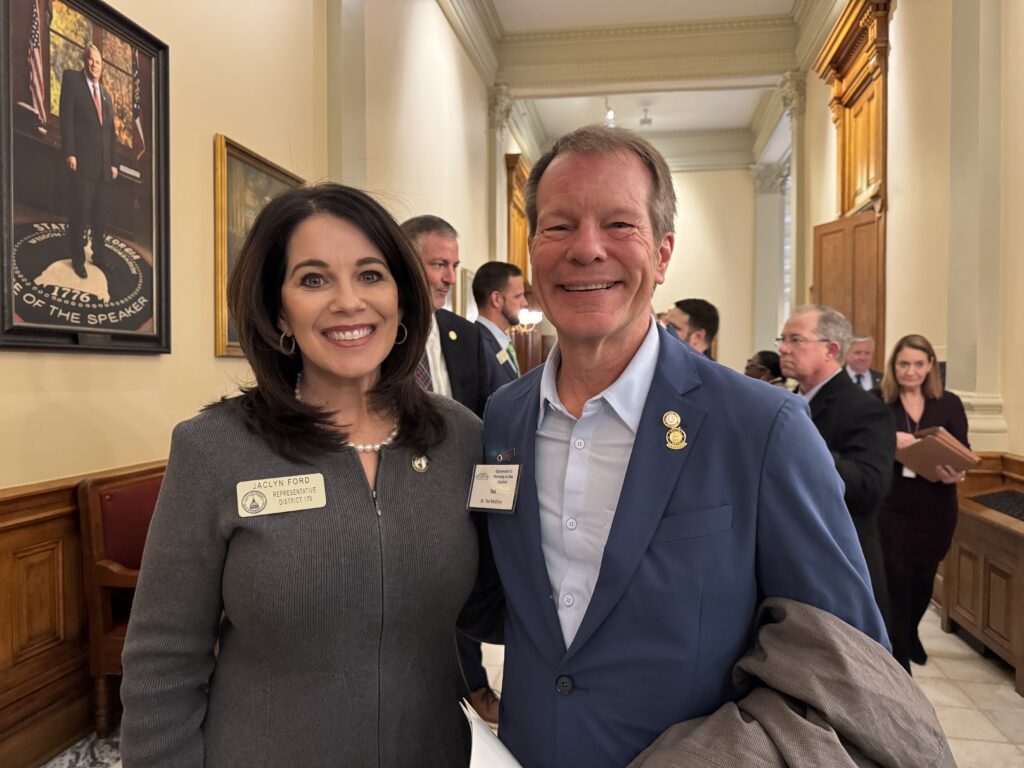
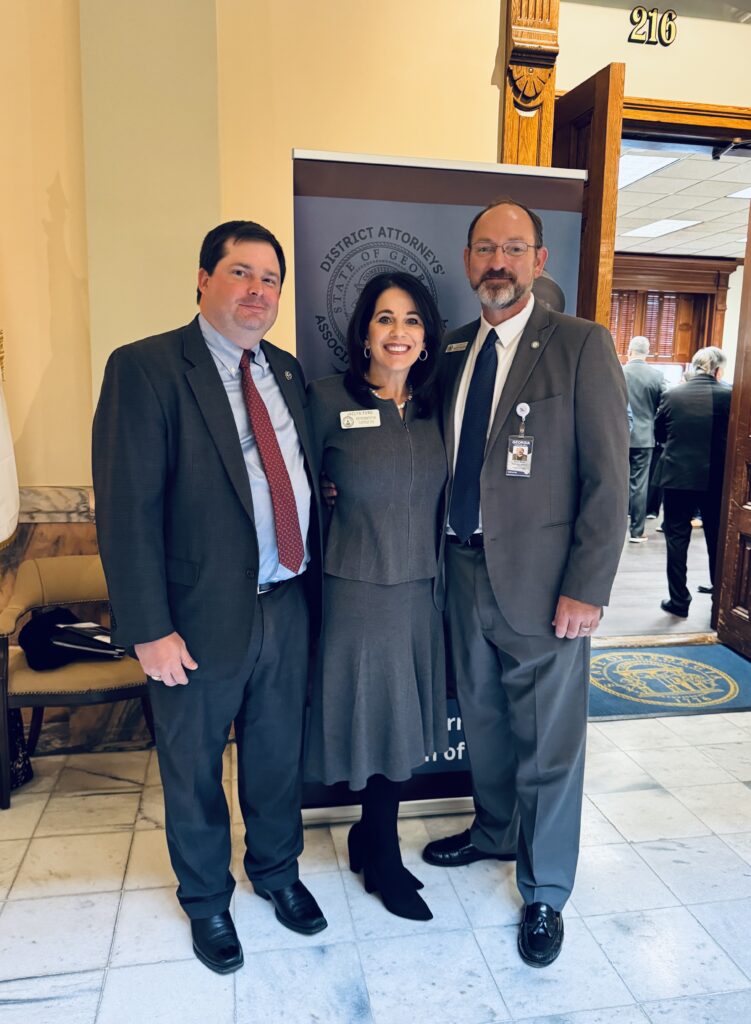
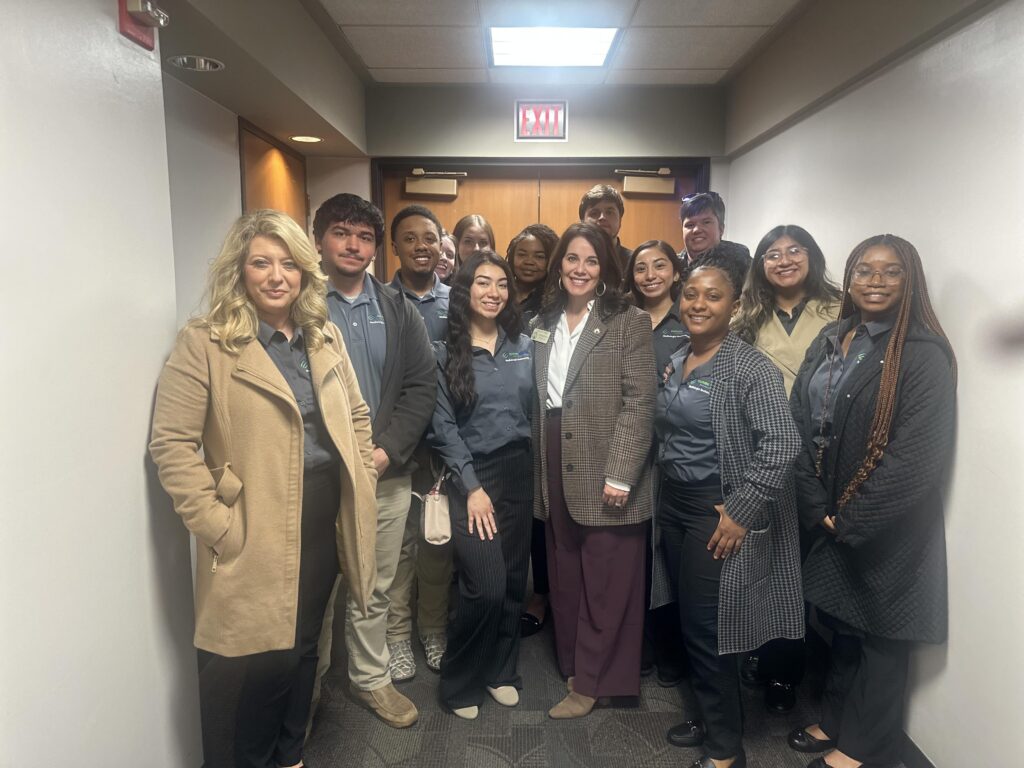
Friends and Constituents at the Capitol